

An important part of any corporate travel program is making sure employees are protected while carrying out business activities away from the office. When people travel for work, companies are expected to look after their safety, health, and general well-being, just as they would at home. One way organizations do this is through duty of care.
In this article, we look at how it works in business travel from start to finish and how technology supports each stage of the process.
What is duty of care in business travel?
Duty of care refers to the legal and moral responsibility one party has to protect the well-being of another. For example, schools have a duty of care toward their students and service providers toward clients. It’s about taking reasonable steps to prevent harm and offering support when needed.
Duty of care in the context of business travel means that companies are expected to look after their employees while they are traveling for work, whether domestically or internationally. It covers a lot of ground, including
- planning ahead;
- setting clear policies;
- providing guidance;
- staying connected throughout the trip; and
- responding to any emergencies that arise.
Duty of care is a critical, must-have component in your travel policy. It is continuous, with activities that apply before, during, and after business travel, not a one-time event. The framework you use to deliver it will evolve over time as employees travel to new locations.

How duty of care in business travel works across the travel lifecycle
The exact components that make up your duty of care framework can vary depending on many factors, including your company’s size, employee destinations, and the travel management company (TMC) you work with. That said, every thorough, well-structured duty of care program should include the following core elements.

Risk assessment and management
Duty of care begins with figuring out what could go wrong on a trip. Risk assessment and management involve evaluating destination-specific threats and understanding local security, health, environmental, and political conditions. Typical questions include:
- Are there ongoing protests or civil unrest?
- Do certain areas have higher crime rates or travel restrictions?
- Is there a high probability of extreme weather during the travel period?
- What contingency plans, transportation alternatives, and medical facilities are available, and can the organization respond effectively if conditions change?
Accommodation selection is another key component of risk management. This goes beyond pricing or preferred suppliers and focuses on safety-related factors such as proximity to high-risk locations, local crime levels, regional health risks, and the property’s own security standards and emergency response procedures. Poor accommodation choices can significantly increase exposure to risk, even in otherwise low-risk destinations.
Travel insurance
Travel insurance is a core part of the duty of care: It defines what support employees can access when something goes wrong during a trip. Risk assessment and proper planning help reduce exposure, but insurance gives you the operational and financial backup if incidents still occur.
At a minimum, business travel insurance should include
- medical treatment;
- emergency evacuation;
- trip disruptions, delays, and cancellations; and
- lost or damaged luggage.
Interest in travel insurance has increased sharply in recent years. Before the COVID-19 pandemic, only about 20 percent of travelers in the US bought travel insurance, but that figure has risen to more than 60 percent as people are more aware of travel risks and disruptions. This shift means employees expect stronger protection from their employers.
Pre-trip preparation
Pre-trip prep focuses on giving employees all the tools, information, and step-by-step guides they need to pass through borders, check into their flights, comply with local requirements, and arrive at their destination ready to work.
A core part of pre-trip preparation is passing along the destination-specific insights you gathered during the risk assessment phase. Employees should be briefed about
- security, political, and environmental risks they might face;
- local laws, customs, and restricted areas to be aware of;
- emergency contacts and instructions for getting help;
- how to access medical treatment, evacuation, or security support if needed; and
- what to do if a flight is delayed, a route is blocked, or unexpected challenges appear.
Health and visa readiness are part of this. Employees need to know what vaccinations or health measures are mandatory, as well as the visa and entry requirements for their destination.
Traveler monitoring, communication, and incident response
Once employees are on the move, the duty of care shifts from preparation to active support. Your goal becomes knowing where travelers are, keeping them informed about evolving risks, and responding quickly if something goes wrong.
Communication during travel has to be fast and actionable. If there’s a sudden strike, civil unrest, a natural disaster, or a health crisis, employees need immediate guidance—what to do and what resources are available. In such cases, travel managers must coordinate interventions, like rebooking flights, arranging alternative transport, or relocating employees to safer accommodations.
Post-trip follow-up
Duty of care continues even after your employees return from a trip. Post-trip follow-up is your opportunity to review how the journey went and address any gaps—unclear guidance, delays in support, or difficulties with visas, vaccinations, or local protocols. The feedback you gather can help make future travel safer and smoother. However, it also shows employees that their experience and safety matter.
Post-trip follow-up also includes checking on an employee's well-being. If someone faced a stressful or high-risk situation, you can offer guidance or resources for recovery and ensure they feel supported. By combining data review, employee feedback, and well-being checks, you complete the duty-of-care lifecycle and continuously strengthen your travel program.
Duty of care tools and platforms
It’s important to note upfront that, in reality, there isn’t a single, all-in-one duty-of-care platform on the market. What exists instead are tools and software that address different aspects of duty of care. There are also risk management platforms that provide intelligence and insights needed for assessing potential risks at a destination.
Online booking tools and travel management platforms
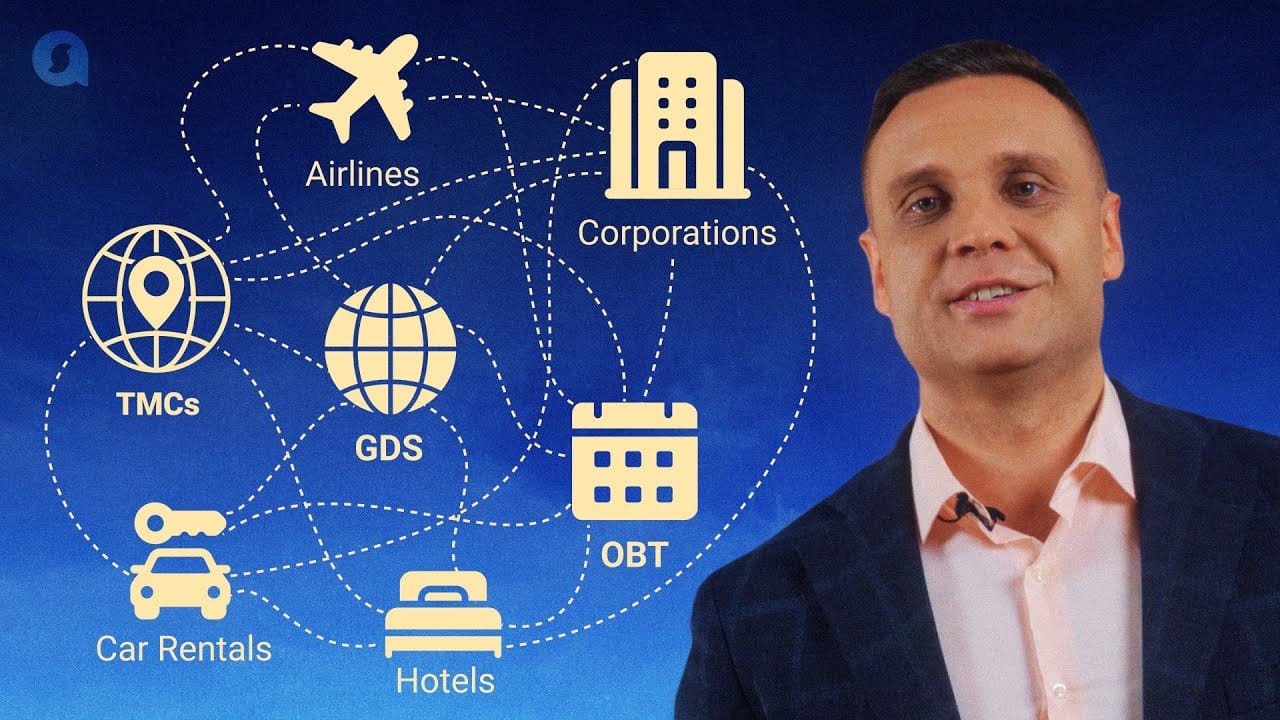
Corporate online booking tools (OBTs) support duty of care by embedding safety controls directly into the planning and booking process. They allow organizations to apply travel safety rules by restricting travel to certain destinations, airlines, or accommodation types. This prevents employees from selecting low-rated or high-risk hotels and enables policy-based rules such as excluding specific carriers (for example, “show no low-cost carriers”).

Beyond booking, OBTs contribute to duty of care by maintaining accurate, up-to-date itinerary data once employees are on the move. This centralized visibility ensures organizations know who is traveling, where, and when, which is foundational for any effective risk response.
The itinerary data captured by OBTs feeds traveler-tracking and risk-management tools, enabling location-based alerts, risk notifications, and targeted communication when conditions change during a trip.
Navan and Perk are among the platforms that embed traveler visibility and alerting capabilities directly into an end-to-end corporate travel solution, extending functionality beyond the traditional OBT role and reducing reliance on separate duty-of-care systems.

In most setups, however, OBTs act as critical data and policy enforcement layers, while real-time monitoring and incident response are handled by dedicated duty-of-care or risk management software.
Risk management platforms
Risk management platforms focus on delivering risk-based intelligence to help organizations anticipate, monitor, and respond to threats affecting business travelers. They continuously assess security, health, environmental, and geopolitical risks and identify which travelers may be exposed as conditions evolve.
Many TMCs and OBT providers—such as SAP Concur, CTM, and American Express Global Business Travel—offer complementary risk-management and duty-of-care tools as part of their broader travel ecosystems.

In addition, organizations can source deeper or more specialized insights from dedicated risk intelligence and management platforms. These tools help determine whether destinations are open, partially restricted, or closed. They also support visa and travel authorization checks (such as eVisas or ETAs), often pre-filling applications with flight and accommodation details to streamline compliance ahead of travel.
As conditions change, these platforms automatically notify employees and travel managers of updates to border rules, health protocols, or testing requirements—providing timely alerts that allow stakeholders to act before disruptions occur.
They also enable near-real-time traveler tracking, helping organizations identify which employees may be affected by changing conditions and respond quickly if intervention is required.
Seerist, for example, combines on-the-ground expertise with AI to help organizations evaluate operational, security, political, and environmental risks that may influence whether, when, where, and how employees travel. It also provides access to local laws and visa requirements across destinations, making it easier to remain compliant in unfamiliar jurisdictions. The platform supports API integrations, allowing this intelligence to flow directly into corporate systems and reducing the risk of data silos.

SafeToGo’s duty-of-care and tracking capabilities rely on reading itinerary and status data from the major GDS platforms (Amadeus, Sabre, and Travelport). As a result, bookings created through these systems can be securely captured to support near-real-time traveler visibility, targeted notifications, and risk assessment. Importantly, this data remains accessible even if a GDS experiences an outage, improving resilience and continuity for duty-of-care operations.
Quantum, a risk management platform by International SOS, integrates proprietary risk intelligence with operational response capabilities. The platform enables targeted alerts, two-way communication with travelers, and rapid escalation to International SOS medical or security assistance teams when incidents occur.
Riskline delivers destination risk ratings, real-time alerts, and detailed country- and city-level assessments for security, health, and environmental categories. Positioned between basic duty-of-care alerting tools and full-service risk/response providers, it focuses on intelligence and early warning, rather than traveler assistance or emergency response.

Travel insurance booking
In corporate travel, insurance is most effective when embedded into the same workflows employees already use to book trips. In practice, this is typically achieved in two ways.
First, some corporate OBTs support insurance selection as part of the booking process, either through built-in add-ons or integrations with insurance partners, allowing coverage to be chosen alongside flights or hotels.
Second, if you operate your own booking platform as a TMC, you can build insurance directly into the booking flow. You may integrate with a platform aggregating insurance products from different vendors, like the Amadeus Insurance API. Another option is to directly partner with insurance providers.

AIG’s travel assistance app. Source: AIG Travel Guard
Established insurers—such as Allianz Travel, AIG Travel Guard, AXA Assistance, and World Nomads—offer single-trip and annual plans, coverage for higher-risk destinations, and options tailored to frequent business travel. Most have APIs, which makes it possible to embed insurance products directly into TMC platforms or internal travel systems.
What to expect from future technology advancements in the duty of care
Duty-of-care technology is increasingly shifting from reactive response to proactive risk anticipation and real-time disruption management. Rather than intervening only after travelers are already impacted, modern platforms aim to identify emerging risks early and reduce exposure before a trip is underway. This shift is driving significant innovation throughout risk and disruption management capabilities.
Many duty-of-care and travel risk platforms now incorporate aviation data such as flight schedules, status, and performance analytics from third-party sources. This enables earlier identification of likely delays, cancellations, or disruption trends—allowing organizations to flag potentially high-risk itineraries and communicate alternatives before travelers are affected.
One example is Cirium, which uses historical performance data alongside airline schedules to identify flights, routes, and airports more prone to disruption. When embedded into travel platforms, this intelligence supports earlier decision-making and more proactive traveler protection.
At the same time, technology has limits. Even the most advanced duty-of-care stack cannot replace human judgment in complex or fast-moving situations. When conditions are unclear or emotionally charged, experienced travel managers and TMC agents remain essential in supporting travelers in ways automation cannot fully replicate.


With a software engineering background, Nefe demystifies technology-specific topics—such as web development, cloud computing, and data science—for readers of all levels.
Want to write an article for our blog? Read our requirements and guidelines to become a contributor.