Delta Pioneers “Basic” Fares for Business and First Class
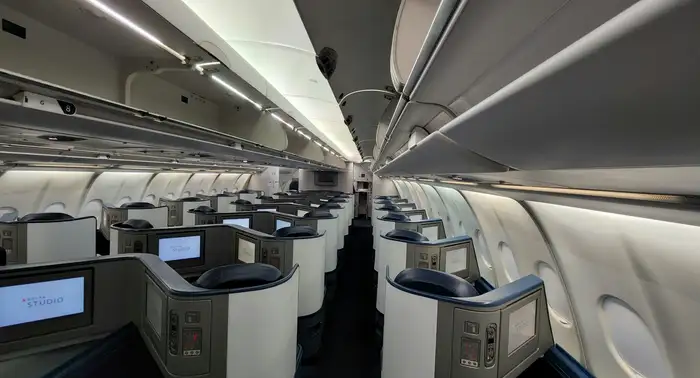
Delta Air Lines has revealed plans to launch new “basic” options of its business and first-class tickets starting in 2026, becoming the first US carrier to apply this pricing approach to premium cabins.
Under the proposed structure, passengers will be able to purchase business or first-class seats at a lower starting price, but with fewer benefits included in the fare. These stripped-down options may come with limited change flexibility, fewer ancillaries, and reduced or zero accrual of loyalty points compared with traditional premium offerings.
Why Delta is introducing basic premium fares
The primary goal is to increase occupancy in business and first-class cabins by attracting price-sensitive travelers who prefer premium experiences and are willing to give up some perks in exchange for a cheaper ticket.
Delta has confirmed that the rollout will take place gradually over the course of 2026 and forms part of a wider strategy to expand fare segmentation beyond Economy and Comfort cabins. Until now, this approach has mainly been used to differentiate lower-priced and higher-priced economy options, but the airline now plans to apply the same logic to premium seating.
Break from traditional US premium pricing
This decision represents a major departure from long-standing US airline pricing models. Historically, business and first-class fares have bundled a wide range of services into the base price, including lounge access, priority check-in and boarding, free checked luggage, and flexible ticket change policies. These bundled perks have traditionally justified the price gap between premium cabins and economy seats.
By unbundling these benefits from the base fare, Delta is moving closer to a model already common among several international airlines. Carriers such as Qatar Airways, Emirates, Air France, and Etihad have long offered simplified premium fares, allowing passengers to pay extra for add-ons that were once standard.
This shift could alter customer expectations and reshape competition, especially if US rivals like United and American Airlines decide to introduce similar segmented premium products.
Premium cabins remain central to Delta’s strategy
Delta’s focus on premium travel is supported by its recent financial performance. In the fourth quarter of 2025, the airline reported that revenue from premium products rose by 7 percent compared with 2024, driven by strong demand for higher-end cabins and branded fare products.
The airline has also emphasized that premium offerings represent a substantial share of its overall revenue. As a result, expanding and diversifying premium fare options is a critical part of Delta’s long-term growth strategy.
Photo by Benjamin Nelson on Unsplash
Hot News
UK Regulator Questions Hotel Data Use by Hilton, IHG, Marriott

New Partnerships Lift Revenue for Amadeus in 2025 Results

Norwegian Cruise Line Beats 2025 Earnings Targets Despite Debt Load

Stranded Travelers Return from UAE as Risk for Civil Aviation Continues
