United Airlines Flight Attendants to Return to Mediation after 71% Reject Tentative Deal
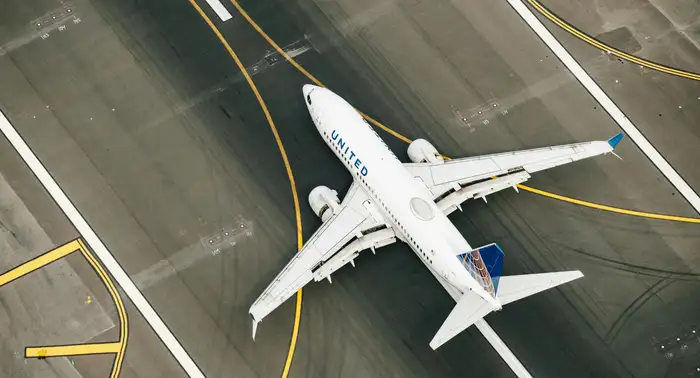
United Airlines and the Association of Flight Attendants-CWA are set to return to federal mediation in Chicago, with the next session scheduled for February 10–12, as both sides work toward a revised agreement.
The union says its top priorities include “sit rig” pay (pay for time on duty beyond flight time), targeted scheduling fixes, better layover-hotel standards, that ensures flight attendants are placed in higher-quality hotels, and stronger contract enforcement.
The renewed talks follow last year’s failed ratification vote: flight attendants rejected the tentative deal on July 29, 2025, with 71 percent voting “no” and 92 percent of eligible members participating, sending negotiations back into mediation.
Staffing stability and disruption resilience
For airlines and travel sellers, the key issue is operational reliability. When a large frontline group remains without a ratified deal, it can prolong labor uncertainty even without an imminent strike deadline. The size of the workforce (tens of thousands at United) significantly impacts the stakes for day-to-day execution during irregular operations, when staffing flexibility and predictable recovery matter most.
Rejection isn't only about wage increase. Compensation structure and rules that shape the quality of live also matter. They help the airline retain its flight attendants and improve service.
Contract tradeoffs now in focus, including “all hours” pay and PBS scheduling
The rejected tentative agreement included boarding pay set at 50 percent of the applicable hourly rate, based on the company’s standard boarding time.
The union sold the tentative agreement as a major pay and quality-of-life package and highlighted that it did not include a switch to the Preferential Bidding System (PBS) scheduling.
United, meanwhile, has been making a separate case for PBS in the renewed talks—saying a move to preference-based bidding could reduce scheduling inefficiencies and create savings that help fund other contract priorities without increasing the overall cost of the deal.
Overall, the “sit rig” pay and higher hotel standards remain the central asks.
Photo by Chris Leipelt on Unsplash
Hot News
H World Ends 2025 Strong as Asset-Light Growth Lifts Profit

US Airlines Beat the Fuel Shock as Fares and Demand Do the Work

Southern Europe Leads Hotel Deals as Investors Bet on Travel Staying Strong

Cuba’s Power Crisis Forces Intrepid to Pull Tours Until April 30
