Trump Signs Stopgap Bill: Shutdown Ends, But Flight Delays Remain
On November 12, 2025, President Donald Trump signed a new funding bill that officially ended the longest government shutdown in US history, which had lasted 43 days since beginning on October 1, 2025.
The agreement temporarily restores funding for federal agencies and keeps the government running through January 30, 2026, allowing departments to restart normal operations after weeks of widespread disruption.
The shutdown started when Congress failed to pass a spending bill, largely due to disagreements over healthcare provisions and immigration policies. During the closure, nearly all non-essential federal services were halted, and more than one million federal workers missed paychecks.
The shutdown also caused major nationwide disruptions, including severe delays at airports due to shortages of TSA officers and air traffic controllers.
Eventually, the bipartisan funding deal was passed by the Senate and House after intense negotiations, with Trump supporting the final package. Although the legislation reopens the government, it is a stopgap measure, meaning it still leaves unresolved debates on health insurance subsidies and immigration policy for future sessions.
Federal employees began receiving back pay on November 13, and the air travel industry, which was heavily strained by the shutdown, is expected to see flight delays and cancellations slowly ease as staffing levels recover.
About a week ago, the Federal Aviation Administration (FAA) ordered airlines to reduce flights by up to 10 percent at 40 major US airports due to safety concerns and staffing shortages among air traffic controllers. The reopening will not immediately resolve these constraints, as controller staffing will take some time to stabilize.
Airlines now face a multi-week recovery process that involves repositioning aircraft and reassigning crews. Winter weather and holiday travel volume put additional pressure on operations, with the Thanksgiving period being one of the busiest travel weeks in the US.
The shutdown is estimated to have cost nearly $6 billion in lost travel spending, with the broader economic damage expected to take weeks or months to evaluate fully.
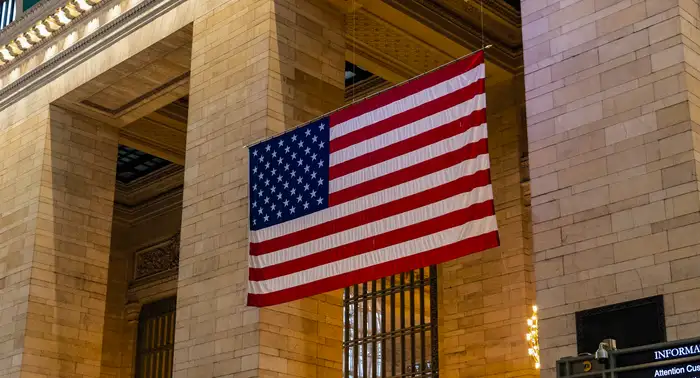
Photo by Maxim Klimashin on Unsplash
Hot News
Uber and Joby Put Air Taxis in the App, Dubai Becomes First Test Market

Global Entry Freeze Puts US Airports at Risk as Business Travel Pushes Back

Trip.com Earnings Got a Major Boost in 2025

Etihad Reports Record 2025 Profit as Expansion Delivers Results
