SITA Adds OCCam AI to Cut Delay Chaos Costs
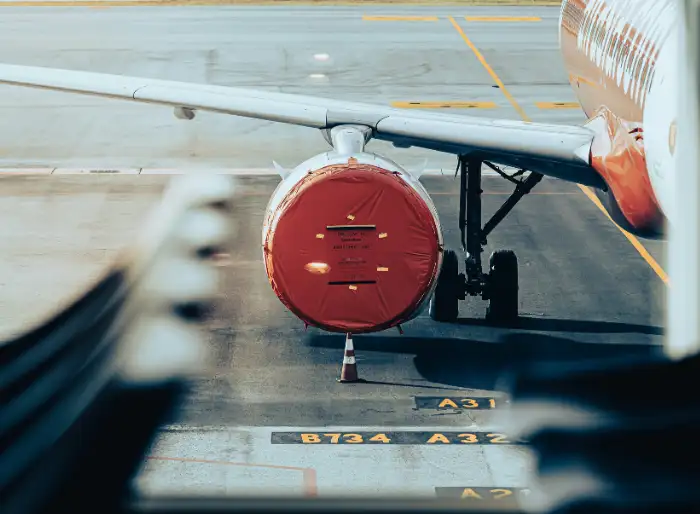
SITA acquired Big Blue Analytics, adding an AI-powered disruption management and recovery platform to its airline operations business.
The financial terms were not disclosed. Big Blue Analytics is known for OCCam, a tool that helps airline operations control centers respond when delays, crew issues, aircraft changes, passenger misconnections, or maintenance limits disrupt the schedule.
Big Blue Analytics helps airlines rebuild schedules faster
Airline disruption is expensive because one problem can quickly spread across the network. A delayed aircraft can affect the next flight, push crew beyond duty limits, cause missed connections, and create new maintenance problems.
SITA says a mid-sized airline with around 100 aircraft can lose up to $80 million a year due to disruptions.
OCCam is built to help airlines manage that complexity. The platform uses live operational data to assess aircraft, crew, passengers, and maintenance together. It then creates a recovery plan in minutes, giving operations teams a clearer view of which option protects the schedule and reduces cost. Big Blue Analytics says airlines using the platform can cut disruption costs by up to 30 percent.
SITA wants to connect monitoring and recovery
SITA already works with airlines, airports, and other aviation companies on operational technology. Its Mission Watch product is used by more than 100 operations control centers worldwide to help airlines monitor daily flight operations and manage risks.
Big Blue Analytics adds the next step: recovery. Mission Watch helps airlines see problems, while OCCam helps them decide what to do after a disruption begins. SITA wants to combine these tools into a wider Intelligent Operations Control Center, where planning, monitoring, and recovery are connected in one system.
Why AI is useful for airline disruption
Disruption recovery is a strong use case for AI because airline control teams must compare many options very quickly. During a major delay, they need to know which aircraft to move, which crew can still legally work, which passengers need protection, and which flights should be delayed or canceled.
AI does not replace airline controllers. It gives them faster decision support. The software can calculate more scenarios than a team could review manually, while staff still make the final operational decisions.
SITA’s acquisition also reflects a wider airline industry push to make disruption recovery faster and less dependent on manual service channels. American Airlines’ app update showed the same shift from the passenger side, with the carrier adding self-rebooking, live baggage tracking, and digital vouchers during delays and cancellations.
Photo by weyfoto loh on Unsplash
Hot News
Delta Buys Spirit Gates as Atlanta Rivals Run Out of Room

Bolt Targets Messy Ride Expenses With New Employee-Pay Mode

FAA Eyes AI for Air Traffic Safety as Runway Risks Keep Rising

TPConnects Launches Iris Express API to Cut NDC Complexity
