Partial Shutdown Ends After Trump Signs Funding Bill, but DHS and ICE Deadline Keeps Travel Industry On Alert
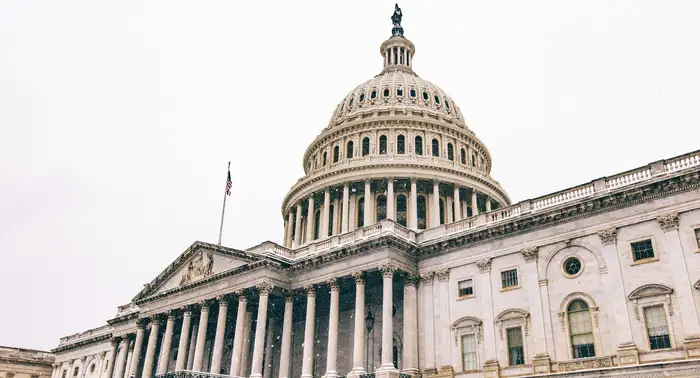
US President Donald Trump signed a roughly $1.2 trillion spending bill, ending a partial federal government shutdown that started on January 31, 2026.
The bill cleared the House on a 217–214 vote after the Senate approved it, and it funds most federal agencies through September 30, the end of the fiscal year. One major exception is the Department of Homeland Security (DHS), which lawmakers funded only temporarily, setting up another deadline on February 13 unless Congress passes a longer-term DHS agreement.
Travel implications: FAA staffing strain and economic data delays
Travel tends to feel the effects of shutdowns quickly because aviation depends on steady federal staffing.
During the lapse, the FAA furloughed about 10,000 workers under shutdown plans. At the same time, air traffic controllers were expected to keep working even without pay, conditions that can increase stress and complicate operations even if flights continue.
The disruption also pushed back major economic reports used by airlines, hotels, and investors to judge demand: the Bureau of Labor Statistics rescheduled the January jobs report to February 11 after the shutdown-related delays.
Congress argues over ICE limits as DHS talks continue
Now, the pressure is on DHS funding, where the most complex debate is over immigration enforcement and oversight of Immigration and Customs Enforcement (ICE). After two fatal shootings in Minneapolis, Democrats have pushed for tighter rules, such as more use of body cameras and limits on agents covering their faces, while Republicans are divided on what, if anything, to accept.
As of February 5, 2026, negotiations are ongoing, with the February 13 deadline still being the key “next cliff” that could trigger another shutdown-style standoff if lawmakers do not compromise.
Travel industry groups are also looking back at last year’s prolonged disruption: a 43-day federal shutdown that began October 1, 2025, and ended November 12, 2025, when Trump signed a funding bill to reopen the government. The shutdown heavily strained air travel, with staffing shortages and major flight disruptions that did not immediately clear the moment funding resumed.
Photo by Caleb Fisher on Unsplash
Hot News
Uber and Joby Put Air Taxis in the App, Dubai Becomes First Test Market

Global Entry Freeze Puts US Airports at Risk as Business Travel Pushes Back

Trip.com Earnings Got a Major Boost in 2025

Etihad Reports Record 2025 Profit as Expansion Delivers Results
