NYC’s Mamdani Signs Anti-Junk Fee Order, in Travel Too
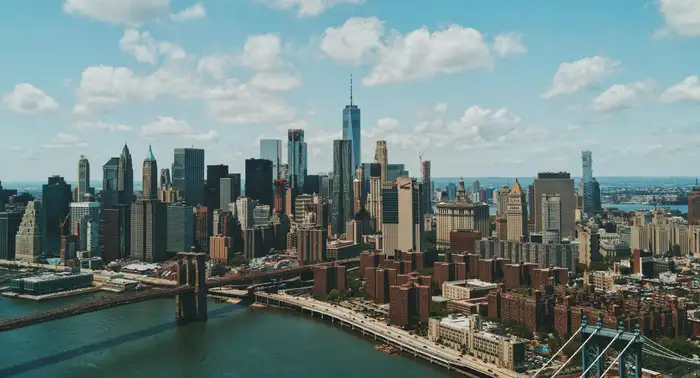
New York City Mayor Zohran Mamdani has signed an executive order creating a Citywide Junk Fee Task Force, a new initiative designed to curb hidden charges and deceptive pricing practices that increase costs for consumers at checkout.
“Junk fees” refer to extra charges that are not included in the advertised price and often only appear late in the purchase process. Common examples include resort fees, service charges, processing fees, and automatic subscription renewals that customers may not clearly understand or actively choose.
Impact on the travel industry
The travel sector, including airlines, hotels, and online travel platforms, is expected to face heightened scrutiny. The mayor’s press release specifically referenced airline pricing and flight booking practices as common examples where hidden fees frequently arise.
To learn more, read our comprehensive article on hidden costs in travel.
For travelers, the initiative could lead to clearer and more transparent pricing, reducing situations where mandatory fees such as resort charges or cleaning fees only appear at the final booking stage. These practices have long frustrated consumers who discover that the advertised price is significantly lower than the final total.
Enforcement and policy development
The task force will be overseen by the Department of Consumer and Worker Protection (DCWP). It has the authority to draft new rules, investigate suspected violations, and recommend future legislation aimed at reducing junk fees and misleading subscription practices across multiple industries.
NYC’s strict short-term rental regulations
In December 2025, a bill backed by Airbnb that sought to ease New York City’s short-term rental regulations didn’t make it on the City Council’s final voting agenda of the year. This means the proposal will not move forward for now and would need to be reintroduced in a future council session to be reconsidered.
The bill would have allowed owners of one and two-family homes to rent out their entire primary residences even when they were not present. The proposal also sought to increase the maximum number of adult guests from two to four and permit hosts to install interior door locks.
Photo by Patrick Tomasso on Unsplash
Hot News
UK Regulator Questions Hotel Data Use by Hilton, IHG, Marriott

New Partnerships Lift Revenue for Amadeus in 2025 Results

Norwegian Cruise Line Beats 2025 Earnings Targets Despite Debt Load

Stranded Travelers Return from UAE as Risk for Civil Aviation Continues
