Google Links Find Hub With Airline Systems to Cut Lost Bag Delays
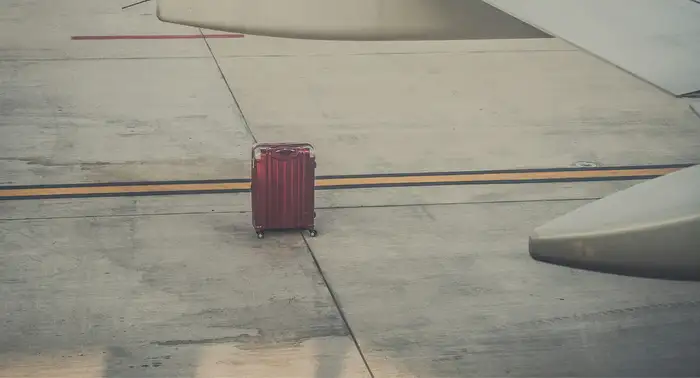
Google launched a new Find Hub feature that lets travelers share the live location of a missing bag with airlines, and the feature is being integrated into SITA WorldTracer and Reunitus NetTracer, two major baggage tracing systems used across the airline industry. The update allows airlines to use passenger-provided location data inside the same systems they already use to trace delayed or lost luggage, which could make baggage recovery faster and more accurate.
Cutting compensation costs for airlines
Lost and delayed baggage remains a major travel problem, even though baggage handling has improved over the years. When a bag is delayed, airlines face compensation costs, more customer service contacts, and extra manual tracing work.
For travelers, it creates stress and uncertainty, especially on international and connecting trips. SITA says mishandled baggage still costs the industry about $5 billion per year, which helps explain why airlines are investing in tools that can shorten recovery time and reduce case-handling costs.
What changes in the baggage recovery process
Airlines usually rely on airport baggage scans and internal system messages to track missing luggage. That process works, but it can slow down when scans are missed or bags move through multiple airports and handlers. With Find Hub, passengers can generate a secure location-sharing link and send it to the airline during a baggage claim. Google says users can stop sharing at any time, and links expire automatically after seven days. This gives baggage teams an additional source of location data without replacing the airline’s existing tracing systems.
Why the SITA and Reunitus integration is important
The key development is not only the app feature itself, but the fact that it connects to systems airlines already use in daily operations. SITA WorldTracer and Reunitus NetTracer are established baggage tracing platforms, so this is not a separate tool that staff must monitor manually outside the normal workflow. Instead, passenger tracker data can be added to the official baggage recovery process, which could improve coordination between airlines and ground handlers.
Latest update and what to expect next
Google says more than 10 airlines already accept Find Hub location sharing in baggage recovery, including Lufthansa Group airlines and several carriers in Europe, Asia, and the Middle East. The company also says more airline partners are coming.
Google is also working with Samsonite to support Find Hub-compatible tracking in luggage products, which suggests a broader baggage-tracking ecosystem is developing. If adoption expands, real-time location sharing could become a standard part of lost baggage recovery for more travelers.
As more carriers connect these tools to their baggage systems, real-time location sharing is starting to shift from a “nice to have” feature into a standard part of lost luggage recovery, similar to earlier Apple and Delta baggage-tracking integration efforts.
Photo by Ante Hamersmit on Unsplash
Hot News
Google Links Find Hub With Airline Systems to Cut Lost Bag Delays

Expedia Resets the Business to Improve Margins and Speed Up AI Investment

Indian Airlines Help Bring Home Stranded Travelers as Middle East Disruptions Continue

UK Regulator Questions Hotel Data Use by Hilton, IHG, Marriott
