FAA Caps O’Hare Summer Flights as Hub Growth Pushes Chicago to the Limit
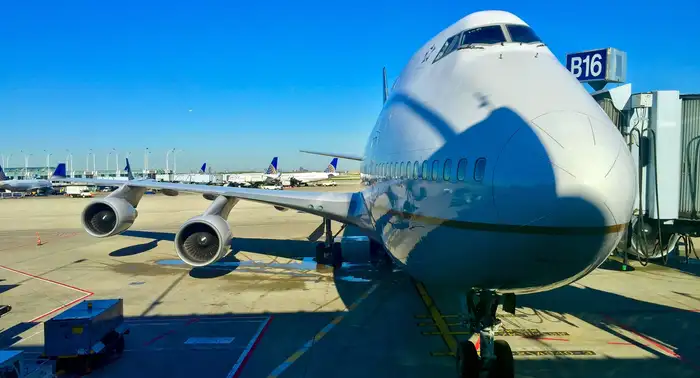
The FAA (Federal Aviation Administration) will require airlines to reduce flights at Chicago O’Hare (ORD) for the Summer 2026 season, which runs from March 29 to October 25, 2026. Regulators stepped in after airlines scheduled too many peak-day flights, led mainly by expansion from United Airlines and American Airlines.
Airlines planned about 3,080 daily takeoffs and landings on peak days, but the FAA says O’Hare can reliably handle about 2,800 under current conditions. That means roughly 280 operations per day may need to be cut or moved, or about 9 percent of the current peak schedule.
Why the FAA is acting and why it matters
The FAA says this is about preventing congestion and protecting reliability at one of the busiest airports in the US. When too many flights are scheduled at the same time, delays can quickly spread across the airport and affect flights in other cities as well.
This matters for travelers because O’Hare is a major hub for domestic and international connections. Some passengers may see fewer choices at busy times of day, but the FAA expects the cuts to improve on-time performance and reduce disruption during the summer travel season.
How United and American pushed O’Hare to this point
United has been the biggest growth driver at O’Hare. The airline announced a record Chicago summer schedule with up to 750 daily departures and service to 222 destinations. That includes both domestic and international growth, plus more regional flying that adds a high number of takeoffs and landings.
American is also expanding, but at a slower pace. It is targeting service to more than 180 destinations and operates a little over 500 daily flights from Chicago. Because both airlines run major hubs at O’Hare, the FAA process will also affect competition between them in a key US market.
Chicago pressure had been building for months as rivalry escalated on both schedules and gate access. Recent coverage of United’s record O’Hare expansion and Spirit gate transfers to both major carriers shows how competition intensified before the FAA stepped in.
What happens next
The FAA will review demand in 30-minute time blocks and focus on the most congested periods, rather than cutting flights evenly across the whole day. Airlines may be asked to retime flights, reduce frequencies, or remove some flights during the busiest windows.
The FAA’s scheduling process starts in early March, with meetings and airline discussions before a final order is issued for the Summer 2026 season. That final decision will determine how much of the planned growth remains and how O’Hare operates during the peak travel months.
The FAA’s move also fits a broader 2026 pattern in US aviation, as major airlines continue adding flights in key hub markets while airports and regulators try to protect operational reliability. O’Hare is now one of the clearest examples of how fast capacity growth can run into infrastructure and scheduling limits during peak travel periods.
Photo by Jared Michael on Unsplash
Hot News
IAG Delivered Record 2025 Profit as Lower Fuel Costs Lifted Results

Wizz Air Expands Agency Sales Through Paxport as It Improves Distribution and Retailing

FAA Caps O’Hare Summer Flights as Hub Growth Pushes Chicago to the Limit

Uber and Joby Put Air Taxis in the App, Dubai Becomes First Test Market
