Air France-KLM Slows 2026 Expansion as Fuel Bill Jumps $2.4B
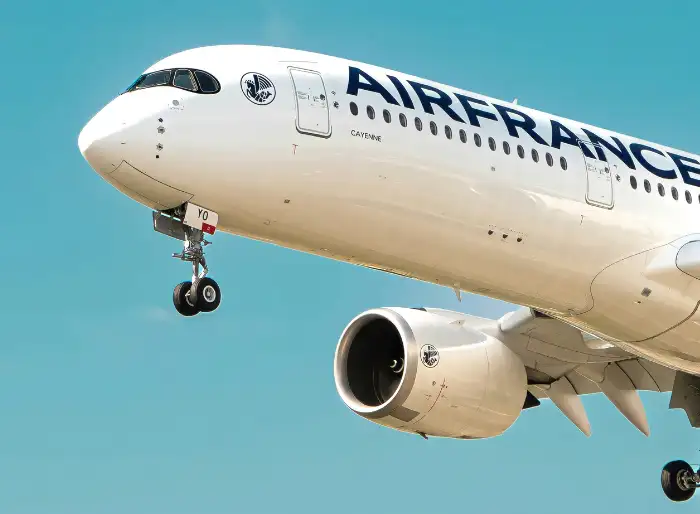
Air France-KLM cut its 2026 capacity forecast on April 30 as higher jet fuel prices made its summer outlook more uncertain.
The group now expects capacity to grow by 2 percent to 4 percent this year, down from its earlier forecast of 3 percent to 5 percent.
The main pressure is fuel. Air France-KLM expects its 2026 fuel bill to reach $9.3 billion, which is $2.4 billion higher than in 2025. About $1.1 billion of that extra cost is expected in the second quarter alone, meaning the biggest impact is still ahead.
Q1 improved, but the fuel hit is coming later
The airline group reported a first-quarter operating loss of €27 million ($32 million), much better than analysts expected. Revenue rose 4.4 percent to about €7.5 billion ($8.8 billion), helped by stronger passenger demand, higher ticket prices, and solid bookings made before the latest fuel price surge.
The result looks positive, but it does not show the full fuel problem. Air France-KLM said fuel price increases were not yet fully reflected in the first quarter because airline fuel costs usually appear with a delay. That is why the second quarter will be more important for the group’s profitability.
Travelers may see higher fares and fewer weak routes
Higher fuel prices usually push airlines to act quickly. They can raise fares, add surcharges, reduce less profitable routes, or slow capacity growth. Air France-KLM is already using some of these tools to protect margins while keeping its strongest routes active.
Passengers may feel the impact most clearly on long-haul flights. In March, Air France-KLM said it would raise long-haul ticket prices because of higher fuel costs, including a €50 ($58) increase for some economy round trips. This shows how fuel pressure is already moving into consumer pricing.
The airline is still growing, but more carefully
The revised outlook does not mean Air France-KLM is stopping expansion. It still expects to add capacity this year, but at a slower pace. Long-haul capacity is now expected to rise by 2 percent to 4 percent, while short- and medium-haul capacity should stay broadly stable.
Cost control and hedging will help, but not fully
Air France-KLM is also cutting internal costs. The group has paused hiring for non-operational roles and reduced discretionary spending. These steps help protect earnings, but they cannot fully offset a large fuel increase.
Fuel hedging will soften part of the pressure. Hedging means airlines lock in some fuel prices in advance to reduce exposure to sudden increases. However, CEO Ben Smith said the group probably will not be able to fully offset the higher costs in the coming quarters.
The Middle East conflict is no longer only a route-security issue. It is also becoming a fuel, pricing, and capacity problem. Airline fares have already jumped 24 percent on some disrupted routes, while carriers are shifting capacity, raising surcharges, and trying to protect margins from higher jet fuel costs.
Hot News
Delta Buys Spirit Gates as Atlanta Rivals Run Out of Room

Bolt Targets Messy Ride Expenses With New Employee-Pay Mode

FAA Eyes AI for Air Traffic Safety as Runway Risks Keep Rising

TPConnects Launches Iris Express API to Cut NDC Complexity
