United Sees Expensive Airfares Ahead as Oil Pressure Hits
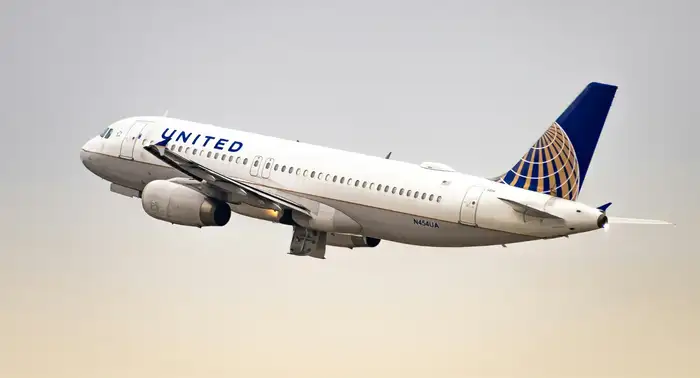
United Airlines CEO Scott Kirby said fares may need to rise by about 20 percent to fully offset the airline’s higher fuel bill if oil stays near recent levels.
He said United’s annual fuel costs could rise by around $11 billion.
The pressure comes from the latest energy shock linked to the war involving the US, Israel, and Iran. United is preparing for oil to stay above $100 a barrel through 2027, with the risk of prices rising much higher.
United believes premium travelers will help protect its business
Kirby has made clear that United is relying heavily on premium demand to stay resilient. The airline this week outlined a broader aircraft and cabin plan centered on more higher-end seating, while continuing to invest in long-term growth. United expects to receive more than 250 aircraft by April 2028 and is adding larger premium cabins on new Airbus aircraft.
The airline is also cutting weaker flying instead of chasing every seat sale
United is not only talking about higher fares. It is also reducing less profitable flying. The airline plans to cut about five percent of its planned capacity this year, including some off-peak flying and some reductions from Chicago O’Hare. It is also keeping flights to Tel Aviv and Dubai suspended for now.
Deal speculation has returned, but nothing is confirmed
Kirby also said United could be in a position to pick up assets from distressed airlines if industry stress gets worse. That drew more attention after JetBlue had brought in advisers to assess the viability of a sale and had looked at how combinations with United, Alaska, or Southwest might be viewed by policymakers. JetBlue said it remains focused on its JetForward strategy and that no deal is confirmed.
United and JetBlue already have a commercial partnership called Blue Sky. Under that agreement, the two airlines linked parts of their loyalty and booking ecosystems, and JetBlue agreed to give United access to up to seven daily round-trip JFK slot pairs starting in 2027.
Premium demand is becoming a wider legacy airline strategy
That broader push toward higher-yield travelers is not unique to United. It is part of a wider airline strategy in which large carriers are adding more premium seats, upgrading cabins, and creating new products to earn more from travelers who are willing to pay for extra comfort and flexibility. That same shift was visible when American went all in on premium upgrades, showing how legacy airlines are increasingly treating premium demand as a key source of resilience and future revenue growth.
Hot News
Delta Buys Spirit Gates as Atlanta Rivals Run Out of Room

Bolt Targets Messy Ride Expenses With New Employee-Pay Mode

FAA Eyes AI for Air Traffic Safety as Runway Risks Keep Rising

TPConnects Launches Iris Express API to Cut NDC Complexity
