Trump's 10% Credit Cap Threatens Airline Loyalty Programs
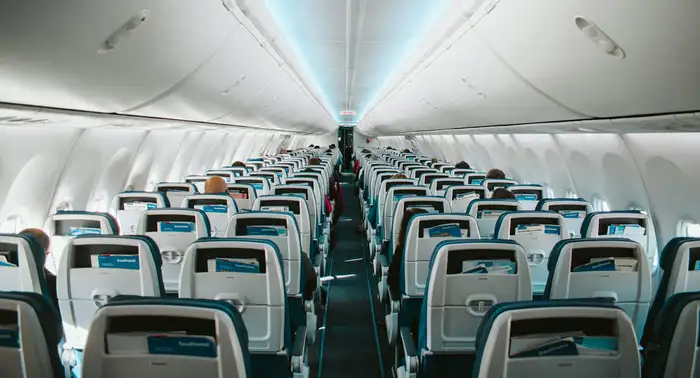
US President Donald Trump publicly called for a temporary cap on credit card interest rates at 10 percent per year.
Trump framed the proposal as a way to protect American consumers from what he characterized as excessive credit card interest charges.
What changes for banks and consumers
A credit card interest rate cap is a legal limit on the annual percentage rate (APR) that banks can charge for money owed on credit cards.
Under Trump’s proposal, the APR would be legally capped at 10 percent, which is a dramatic reduction from the current typical US credit card rates. As of late 2025, the average APR on US credit cards was around 20 percent or higher, while some cards reached above 30 percent (especially those issued to borrowers with lower credit scores).
Thus, a 10 percent cap would sharply cut the interest charges lenders can impose, fundamentally reducing their revenue from interest. Borrowers, on the other hand, would potentially save hundreds of dollars annually.
How this impacts travel
Carriers like Delta, American, and United generate billions each year by selling rewards points to banks (e.g., American Express), which then issue co‑branded cards and earn income from annual fees, interchange (merchant swipe) fees, and interest charges paid by cardholders.
For example, Delta generated approximately $2 billion in co‑brand card revenue from American Express in the third quarter of 2025, a 12 percent increase compared to the same period last year. Remuneration from Amex grew 11 percent in 2025, reaching $8.2 billion. On top of that, they welcomed over 1 million new cardholders for the fourth year running.
So, if a 10 percent APR cap significantly reduces banks’ interest income, issuers may find it less profitable to fund rewards programs, leading them to scale back or restructure co‑branded travel cards, cut rewards, or reduce marketing support.
Responses from industry leaders
The response from executives was mostly cautious, particularly among those dependent on credit card revenue and airline loyalty programs.
Delta CEO Ed Bastian warned that the proposal could disrupt co‑branded credit card partnerships, which are critical to both loyalty programs and revenue. He also noted that low-cost airlines would likely be the most affected.
United CEO Scott Kirby indicated that his airline would feel minimal impact, suggesting it could be relatively well positioned, though he acknowledged broader industry concerns.
Meanwhile, Erik Hansen of the US Travel Association didn’t share any assumptions, emphasizing that the proposal is still “a long way from being implemented.”
Photo by Lukas Souza on Unsplash
Hot News
Delta Buys Spirit Gates as Atlanta Rivals Run Out of Room

Bolt Targets Messy Ride Expenses With New Employee-Pay Mode

FAA Eyes AI for Air Traffic Safety as Runway Risks Keep Rising

TPConnects Launches Iris Express API to Cut NDC Complexity
