Cuba Tourism Falls 56% as Fuel Crisis Reaches the Travel Sector
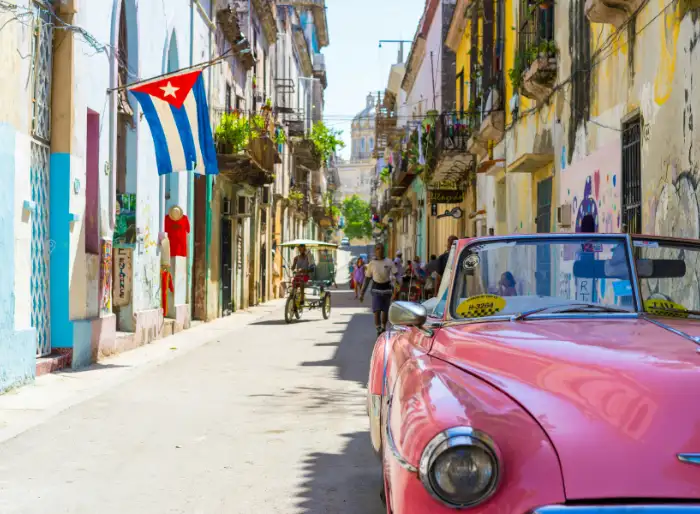
Cuba’s tourism recovery has taken another hit in 2026.
From January to April, the island received 328,608 international tourists, down 55.8 percent from the same period in 2025, according to figures linked to Cuba’s National Office of Statistics and Information. The drop shows that Cuba is not only facing a slow season. It is losing traveler confidence at a much deeper level.
This is a serious problem for the country’s economy. Tourism brings in foreign currency and supports hotels, restaurants, guides, transport companies, and private rental hosts. When arrivals fall by more than half, the damage spreads across the whole travel sector.
Energy shortages are making trips harder to plan
Cuba’s main challenge is not destination appeal. The island still has culture, beaches, music, historic cities, and strong hospitality. The bigger issue is reliability. Travelers are worried about fuel shortages, power outages, and shortages of basic services.
The UK government warned in May that Cuba had exhausted its reserves of diesel and fuel oil. It said the shortage could disrupt transport, medical care, communications, and tourism operations.
Airlines and operators are pulling back
Air access has already been affected. Air Canada suspended Cuba flights in February after warnings that aviation fuel would not be reliably available at Cuban airports. The airline said it would bring travelers home and use extra fuel planning where needed.
For tour operators, this creates a wider operational problem. If flights are reduced or fuel is limited, it becomes harder to promise smooth itineraries. Even if hotels remain open, operators may pause or reduce trips because transfers, schedules, and emergency planning become less predictable.
Cuba can still host tourists, but selling it is harder
Some travelers can still visit Cuba and have a good experience. Larger hotels often use generators, and experienced local operators can adjust routes and transport plans. Tourists may also be more protected from daily shortages than local residents.
This pressure was already visible earlier this year. Intrepid Travel had suspended Cuba tours after the island’s power crisis made travel operations harder to manage. The update showed that Cuba’s energy problems were no longer only a domestic issue. They were already affecting airlines, tour operators, and the wider travel supply chain.
Photo by Alexander Kunze on Unsplash
Hot News
Delta Buys Spirit Gates as Atlanta Rivals Run Out of Room

Bolt Targets Messy Ride Expenses With New Employee-Pay Mode

FAA Eyes AI for Air Traffic Safety as Runway Risks Keep Rising

TPConnects Launches Iris Express API to Cut NDC Complexity
