Spirit Collapses After Fuel Spike Kills Its $500M Rescue Plan
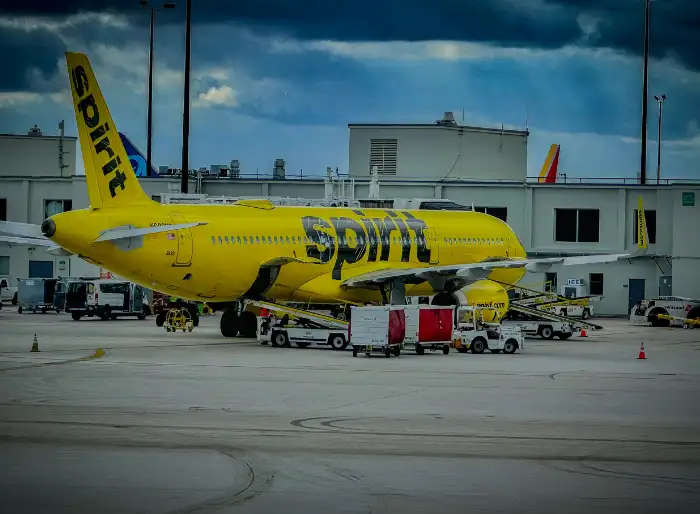
Spirit Airlines stopped operating on Saturday, May 2, 2026, after it failed to secure support for a rescue plan during bankruptcy.
The airline said it had started an orderly wind down and canceled all flights immediately. It told passengers not to go to the airport and said refunds would be processed for affected travelers.
The shutdown came after a sharp rise in oil and jet fuel prices linked to the Iran war. Spirit said the higher costs seriously weakened its financial outlook. The airline had been trying to survive with a $500 million US government-backed rescue plan, but creditors did not agree to the deal.
A major low-fare airline disappears from the US market
Spirit was one of the best-known budget airlines in the US. Its model was simple: sell low base fares, then charge separately for bags, seat selection, and other extras. This helped price sensitive travelers find cheaper flights, especially on leisure routes to Florida, Las Vegas, the Caribbean, and Latin America.
Spirit often forced larger airlines to keep fares lower on routes where they competed. Spirit once accounted for about 5.0 percent of US flights, making this one of the largest US airline failures in decades.
Fuel prices turned a weak recovery plan into a crisis
Spirit was already under pressure before the fuel shock. The airline had struggled after the pandemic as some travelers became more willing to pay for comfort, flexibility, and bundled services. At the same time, major airlines competed more directly with low cost carriers through basic economy fares and larger route networks.
The sudden jump in fuel prices made Spirit’s bankruptcy plan much harder to support. The airline’s plan assumed jet fuel would cost about $2.24 per gallon in 2026, but prices had risen to around $4.51 per gallon by the end of April.
Rivals step in as passengers look for new flights
Spirit’s shutdown immediately removed thousands of flights from the market. The airline had more than 4,000 flights scheduled through May 15 before it stopped flying. That left many passengers needing refunds or replacement tickets on short notice.
Other airlines quickly moved to capture stranded passengers. Frontier, JetBlue, Southwest, Delta, American, and others offered discounted fares, added seats, or reviewed ways to increase capacity. JetBlue also moved to expand service from Fort Lauderdale, one of Spirit’s most important markets.
The shutdown was the final step in a months long rescue fight
Spirit’s collapse followed a steady deterioration that had been visible for months. First, the airline tried to reassure travelers after shutdown rumors, while securing $50 million in debtor-in -possession financing to keep operating. It then moved deeper into restructuring by selling aircraft, transferring airport gates, recalling staff to stabilize operations, and outlining a smaller post bankruptcy plan.
By April, however, rising fuel costs had weakened that recovery path, liquidation talk grew, and President Donald Trump said the US government could consider support, including a possible bailout or buyer-backed rescue. The final proposal centered on about $500 million in government-backed financing, but creditor support did not materialize. Spirit’s shutdown therefore marks the end of a long rescue attempt, not a sudden failure.
Photo by Juan Pablo Mascanfroni on Unsplash
Hot News
Delta Buys Spirit Gates as Atlanta Rivals Run Out of Room

Bolt Targets Messy Ride Expenses With New Employee-Pay Mode

FAA Eyes AI for Air Traffic Safety as Runway Risks Keep Rising

TPConnects Launches Iris Express API to Cut NDC Complexity
