Spirit’s $500M Rescue Hits Turbulence as Lenders Push Back
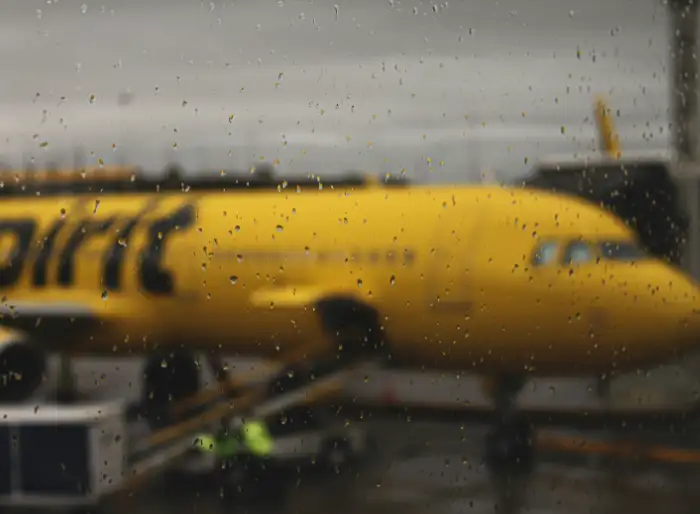
Spirit Airlines’ talks over a possible $500 million US government rescue package have stalled.
The update came only hours after earlier reports said two of Spirit’s three major creditor groups had supported the plan. That means the bailout is still possible, but it is not close to being finalized.
The financing is meant to help Spirit keep flying while it works through bankruptcy.
A lender group is pushing back
The dispute comes from a lender group that includes hedge fund Citadel. The group objects to terms that could reduce the value of its claims and limit the amount of money it recovers from Spirit’s bankruptcy process. The lenders reportedly submitted a counterproposal, but had not received a response.
Spirit needs support from key creditor groups before the rescue can move forward in court. If all groups agree, a federal bankruptcy court hearing in New York could take place soon. If they do not, the plan may need to be changed or delayed.
The deal could give the US government a major stake
The proposed bailout is unusual because it could give the US government a large ownership position in Spirit. The package may start as a government-backed loan and later become a longer-term loan after bankruptcy. It could also include warrants that may allow the government to take up to a 90 percent equity stake in the airline.
That makes the plan politically sensitive. During the pandemic, federal airline aid supported the whole industry because travel demand collapsed across the market. Spirit’s case is different because it focuses on one financially weak airline. Supporters say the rescue could protect jobs and competition. Critics say it could set a precedent for future bailouts.
From bankruptcy pressure to bailout talks
President Donald Trump said on April 23 that the US government could help Spirit Airlines with a bailout or even support a buyer for the carrier. His comments came as Spirit was trying to avoid liquidation during its second Chapter 11 bankruptcy process. The airline had planned to exit bankruptcy as a smaller company with less debt and a stronger focus on profitable markets, but higher fuel costs made that recovery plan harder to complete.
Photo by LOGAN WEAVER | @LGNWVR on Unsplash
Hot News
Delta Buys Spirit Gates as Atlanta Rivals Run Out of Room

Bolt Targets Messy Ride Expenses With New Employee-Pay Mode

FAA Eyes AI for Air Traffic Safety as Runway Risks Keep Rising

TPConnects Launches Iris Express API to Cut NDC Complexity
