Greece Tightens Tourism Rules as Popular Islands Struggle to Keep Up
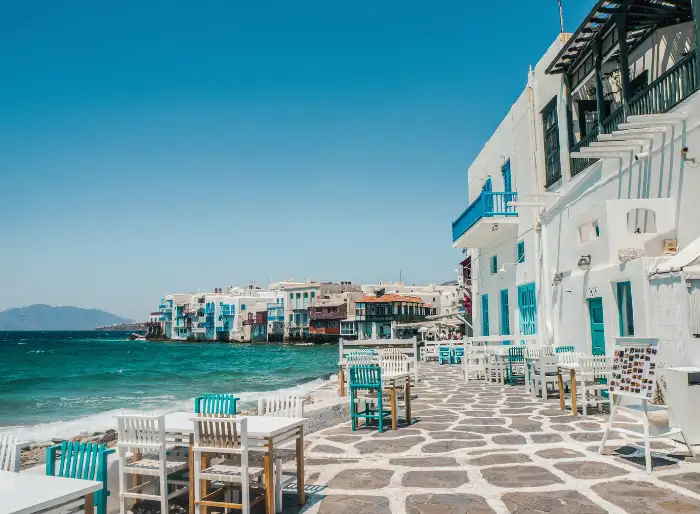
Greece presented a new tourism planning framework to manage growth in crowded destinations and guide new investment toward less saturated areas.
The plan was introduced by Tourism Minister Olga Kefalogianni and Environment and Energy Minister Stavros Papastavrou. It sets clearer rules for where hotels and tourism projects can be developed.
The move comes after another strong year for Greek tourism. Travel receipts rose by 9.4 percent in 2025, while inbound traveler flows increased by 6.4 percent, according to the Bank of Greece. That growth is good for the economy, but it also puts more pressure on islands, coastlines, roads, housing, water supply, and local services.
The travel industry may see stricter rules in hotspots
The framework could change how hotel groups, investors, and destination planners approach Greece. Popular areas with heavy visitor pressure may face tighter limits on new development. Places with more room to grow could become more attractive, especially if projects meet sustainability standards.
Greece wants tourism to spread more evenly. The goal is to reduce pressure on famous island destinations while encouraging more travel to mainland regions, cultural routes, nature destinations, and lesser-known areas.
Islands and coastlines are the main focus
The draft gives special attention to islands, where overtourism can quickly affect daily life. Small destinations often have limited roads, ports, water systems, waste services, and housing. When visitor numbers rise too fast, local infrastructure can struggle.
One of the biggest proposed changes is coastal protection. New construction would be banned within 25 meters of the shoreline, with limited exceptions for public-interest projects. The framework also includes stricter land requirements for some new hotel projects and tighter controls in high-pressure destinations.
The plan is still open to changes
The framework is not final yet. It is still under public consultation, with feedback expected from local authorities, tourism businesses, investors, and environmental groups.
Recently, Crete’s $5.5 billion infrastructure upgrade showed how Greece is preparing key destinations for long-term tourism demand rather than only chasing another strong summer season. The new tourism framework follows the same logic. It tries to make growth more organized by protecting crowded islands and coastal areas, while encouraging investment in places that can still absorb more visitors.
Photo by Johnny Africa on Unsplash
Hot News
EU Keeps Delay Compensation as Airlines Face Another Cost Reality

Folio Adds Expense Tool as Hotels Hunt for Cleaner Spending Control

Europe Leads US Tourism Drop as World Cup Boost Looks Too Small

RealTime Reservation Buys STAY to Fix Hotel Tech Fragmentation
