Gulf Hotel Deals Slow as Iran War Makes Investors Rethink Risk
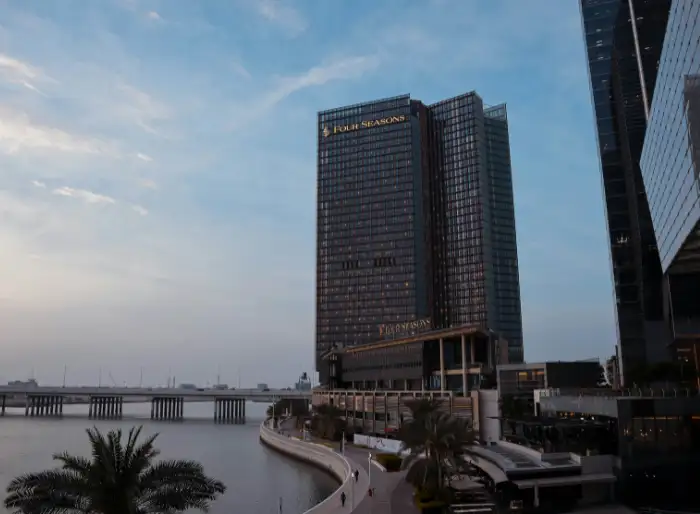
Hospitality Valuation Services (HVS) warned that UAE hotel valuations could soften by 20 percent to 25 percent if the war continues through the rest of 2026.
Hotel investors in the Gulf are becoming more cautious as the Iran war creates uncertainty around travel demand, air routes, hotel occupancy, and project financing. The region’s long-term hotel growth story remains strong, but many investors are waiting before committing to new deals.
The biggest risk is pricing. The pressure would likely come from weaker confidence, lower demand expectations, and possible declines in hotel operating performance. HVS also said the conflict has hit Gulf hospitality by weakening air capacity and traveler confidence.
Hotel deals are taking longer to close
The first impact is slower decision-making, not a mass exit of capital. Investors are spending more time reviewing deals, lenders are becoming more careful, and buyers are using more conservative assumptions when valuing hotels.
The region still has a large hotel pipeline
The pause comes during a major development cycle. Lodging Econometrics said the Middle East hotel pipeline reached a record 717 projects and 177,110 rooms in the first quarter of 2026, up 13 percent year over year. Saudi Arabia, Egypt, and the UAE led the region by project count.
The Gulf still has strong demand drivers, including religious tourism, luxury travel, corporate travel, meetings and events, and government-backed tourism strategies. The issue is that some projects may now move more slowly until the market becomes easier to forecast.
Dubai’s strong 2025 makes the shock sharper
Dubai entered 2026 from a strong position. The city welcomed 19.59 million international overnight visitors in 2025, up 5 percent year over year. Hotel occupancy averaged 80.7 percent, while room rates and revenue per available room also increased.
Saudi Arabia is growing for its own reasons
Saudi Arabia’s hotel market is also expanding, but analysts do not see this as a simple case of money leaving Dubai for Riyadh. Saudi Arabia is attracting capital because of Vision 2030, religious travel, business demand, and major future events such as Expo 2030 and the 2034 FIFA World Cup.
Recent brand activity supports that trend. Marriott and Al Qimmah Hospitality announced plans in January 2026 to add more than 2,700 hotel rooms in Jeddah, Makkah, and Madinah. The project includes several price segments, showing that Saudi Arabia is building a broader hotel market, not only luxury supply.
Meanwhile, UAE hotel demand was falling faster, while Saudi Arabia was holding up better, partly because Saudi Arabia has stronger domestic demand and is less exposed to international travel disruption in some cities.
Photo by Elena Saharova on Unsplash
Hot News
TPConnects Launches Iris Express API to Cut NDC Complexity

Navan Buys Smartrips to Turn Brazil Into Its Latin America Launchpad

Qatar Airways Restores 85% Network as New Leaders Step In

Korean Air Taps Samsung as Loyalty Moves Beyond the Flight
