Wizz Air Keeps Fares Low for Now as Fuel Hedges Delay the Price Shock
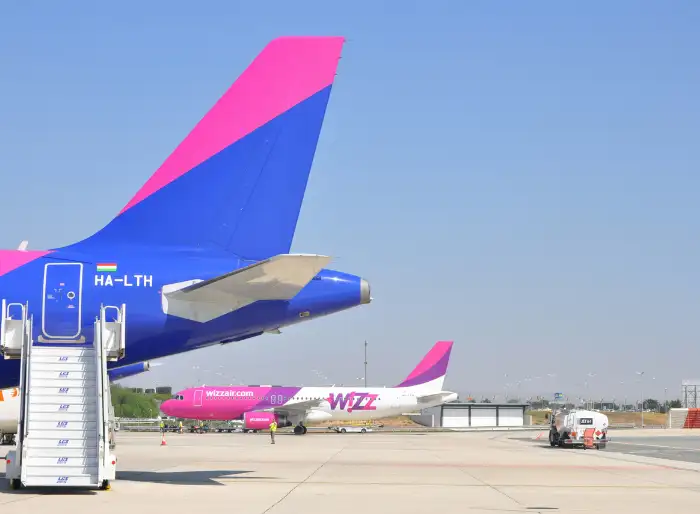
Wizz Air CEO József Váradi said European short-haul fares are falling for now as airlines try to encourage bookings during the Iran war.
His comments came on April 27, while the aviation industry is dealing with much higher jet fuel prices and worries about possible supply problems.
Fuel hedging gives airlines some breathing room
The main reason is fuel hedging. This means an airline agrees in advance to buy fuel at a set price. If fuel becomes more expensive later, the airline does not feel the full increase immediately.
Wizz Air is about 70 percent hedged for the summer season, which gives it more flexibility on fares. This is especially useful for low-cost airlines because their passengers are often price-sensitive.
Europe still faces a real fuel risk
The fuel problem has not gone away. Europe imports about 30 to 40 percent of its jet fuel needs, and at least half of those imports usually come from the Middle East. That makes European aviation vulnerable when supply routes around the Strait of Hormuz are disrupted.
Váradi said he does not expect Europe to run out of jet fuel. He said high prices are encouraging tankers to pick up fuel from the US and bring it to Europe. But if shortages do appear, disruption could be uneven, with some airports or suppliers having fuel while others struggle.
Spain warns travelers to book early
Spain’s Industry and Tourism Minister Jordi Hereu gave a more cautious message. He advised travelers to buy airline tickets sooner rather than later because higher oil prices could make flights more expensive. The warning matters for Spain because the country welcomed a record 97 million tourists in 2025.
Hereu said airlines are still using fuel bought earlier, so current fares may not yet show the full impact of the latest price increase. If those older fuel contracts run out while prices remain high, airlines may have less room to keep fares low.
Budget airlines are facing the same fuel problem in different ways
Wizz Air’s comments also fit a broader trend among low-cost airlines. easyJet warned that the Iran war had added about £25 million ($34 million) in fuel costs in March alone and made summer demand harder to predict. Like Wizz Air, easyJet is using fuel hedging to soften the immediate impact, but the airline said travelers are booking later and shifting away from some eastern Mediterranean destinations.
Hot News
Cuba Tourism Falls 56% as Fuel Crisis Reaches the Travel Sector

Southwest Eyes Long-Haul Flights as Its No-Frills Era Keeps Shrinking

Hyatt Says Premium Brands Can Turn Smaller Scale Into Bigger Returns

NYC Pushes for $35M Before World Cup Crowds Pick Their Cities
