Trump Pushes TSA Privatization After Airport Lines Expose Risks
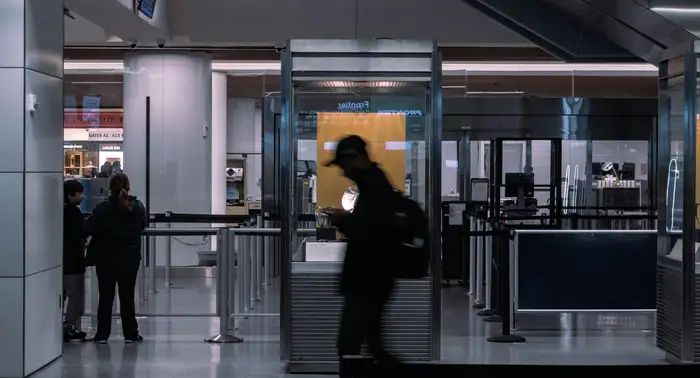
The Trump administration wants to begin shifting part of airport security screening away from federal workers after a Department of Homeland Security shutdown caused long lines and staffing problems at US airports.
In its fiscal 2027 budget released on April 3, the White House proposed cutting TSA funding by $52 million and requiring small airports to use the Screening Partnership Program, where private contractors carry out screening under TSA supervision.
The proposal follows weeks of disruption during the shutdown, when many TSA officers worked without pay and absences rose. At several major airports, travelers faced hours-long waits at security checkpoints. That turned TSA staffing into a broader travel industry issue, affecting airports, airlines, and passengers during a busy travel period.
The administration wants a wider role for private screeners
This is not a plan to remove TSA from airport security entirely. TSA would still set the rules, oversee operations, and remain responsible for the screening system. The change would be in who performs the screening at some airports. Under the existing Screening Partnership Program, private contractors already provide screening at 20 airports under TSA oversight.
The White House says this model can reduce costs and make airport screening less vulnerable during future funding lapses.
Small airports could be affected first if Congress backs the plan
The White House budget specifically says small airports would be required to join the private-screening program. That could make them the first places to see operational changes if Congress approves the proposal. The administration appears to be focusing on these airports because they may have fewer staffing reserves and can be more exposed when labor shortages hit.
Congress would need to approve the budget, and airport security remains politically sensitive.
Airports have stabilized for now, but the policy debate is growing
The immediate situation improved after the White House moved to restore pay for TSA workers. Absences fell quickly once officers started getting paid again, and conditions at several airports became more stable. That reduced the short-term pressure on travelers and airport operations.
Shutdown pressure exposed how quickly TSA staffing can disrupt airports
The shutdown began in February 2026, after Congress failed to pass full funding for the Department of Homeland Security.
During the shutdown, TSA staffing problems showed how quickly unpaid workers, higher absenteeism, and longer security lines could disrupt airport operations and add pressure across the travel system. More than 500 TSA officers quit during the standoff, while absenteeism climbed above 12 percent at one point.
At the same time, spring break demand kept passenger traffic high, making the staffing shortage more visible and more disruptive.
Photo by Sohan Shingade on Unsplash
Hot News
Delta Buys Spirit Gates as Atlanta Rivals Run Out of Room

Bolt Targets Messy Ride Expenses With New Employee-Pay Mode

FAA Eyes AI for Air Traffic Safety as Runway Risks Keep Rising

TPConnects Launches Iris Express API to Cut NDC Complexity
