US Vacation Plans Drop to Six-Year Low but Big Spenders Stay In
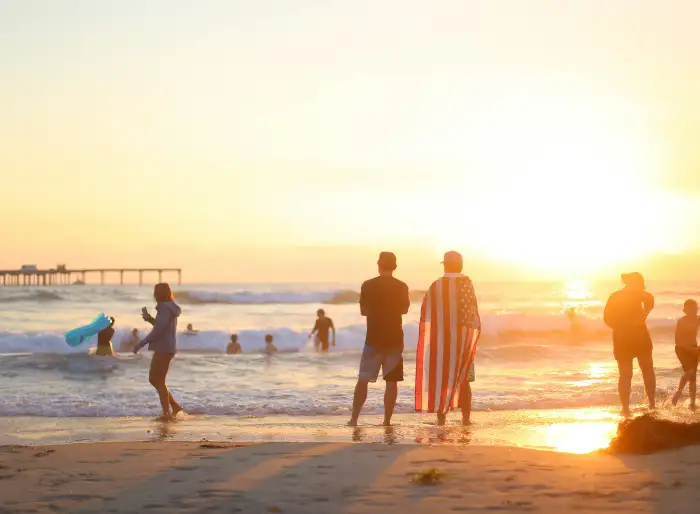
US summer travel demand is weakening in 2026, according to Deloitte’s latest Summer Travel Survey.
Only 45 percent of Americans surveyed said they plan to take a summer vacation that includes paid lodging, such as a hotel, resort, or vacation rental. That is the lowest level in six years.
The main reason is cost. Many consumers say travel is too expensive or no longer fits their budget. Still, the market is not simply shrinking.
Costs are keeping more people at home
Deloitte’s survey shows that affordability is now a major barrier to summer travel. Higher prices for lodging, flights, food, and daily expenses are making some Americans rethink vacation plans.
The impact is strongest among lower and middle-income households. These travelers are more likely to delay, shorten, or cancel trips when prices rise. Higher-income travelers remain more active, which makes the summer travel market more uneven.
Remaining travelers are spending more
People who still plan to travel expect to spend an average of $4,069 on their longest summer trip, up 17 percent from last year.
Travelers are becoming more selective, not only for lower prices. Many are willing to pay more when the trip feels worthwhile. Their extra spending is going toward better hotel locations, upgraded rooms, more comfortable flights, and longer stays.
Hotels face a tougher but valuable market
Hotels may face weaker overall demand because fewer Americans plan to book paid lodging.
However, hotels still have an advantage with travelers who value service, comfort, and reliability. Full-service hotels and destination resorts may benefit from higher-income guests who are still ready to spend on amenities and a smoother travel experience.
Younger travelers and remote work shape demand
Millennials and Gen Z remain important for summer travel. They are more likely to take multiple trips and use social video, online platforms, and generative AI tools to find ideas and plan itineraries.
Remote work also continues to affect travel behavior. About one-third of travelers expect to work during their longest summer trip. This supports demand for hotels with strong Wi-Fi, quiet work areas, flexible stays, and comfortable rooms.
This mixed picture also matches recent industry signals. US hotels may still get a summer boost because many travelers continue to prioritize trips even while watching their budgets. That makes Deloitte’s findings less of a demand-collapse story and more of a warning about selectivity: travelers are still willing to book, but hotels must give them a clearer reason to spend.
Photo by Megan Leong on Unsplash
Hot News
Delta Buys Spirit Gates as Atlanta Rivals Run Out of Room

Bolt Targets Messy Ride Expenses With New Employee-Pay Mode

FAA Eyes AI for Air Traffic Safety as Runway Risks Keep Rising

TPConnects Launches Iris Express API to Cut NDC Complexity
