Puerto Rico’s $8.2B Tourism Win Comes With a Hard Housing Warning
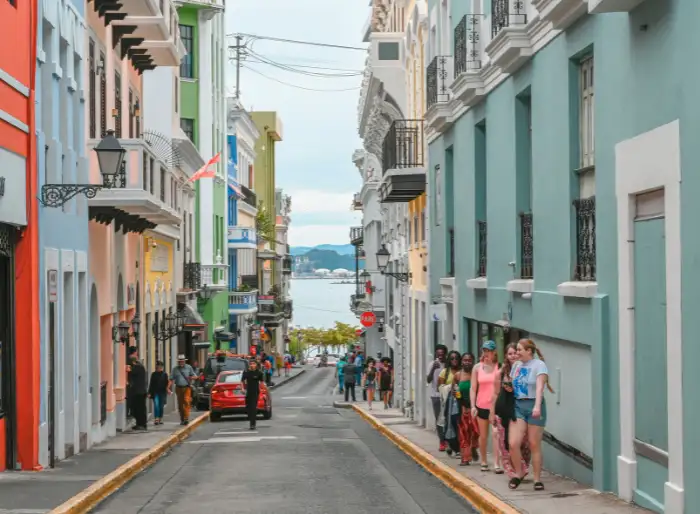
Puerto Rico’s tourism industry is entering 2026 with strong momentum.
The island welcomed 8.1 million visitors in 2025 and generated about $8.2 billion in economic impact, according to Discover Puerto Rico. Early 2026 lodging bookings are also ahead of last year’s pace, which suggests demand is still rising.
Puerto Rico is becoming an important example in the overtourism debate. The island needs tourism, but unmanaged growth can also damage the culture and everyday life that make the destination attractive.
Iceland can slow down more easily than Puerto Rico
Puerto Rico is often compared with Iceland because both islands used tourism to recover from economic crisis. Iceland’s tourism boom followed the 2008 financial crash. Puerto Rico leaned more heavily on tourism after years of fiscal problems and the damage caused by Hurricane Maria in 2017.
The difference is economic flexibility. Iceland received just under 2.3 million foreign overnight visitors in 2025, a large number for a country with fewer than 400,000 residents. But Iceland has higher income levels and more economic options outside tourism, so it has more room to manage growth.
Puerto Rico has less room to pull back. Tourism supports a large employment base, including hotels, restaurants, transport, events, and small businesses. If the island cuts promotion or limits growth too sharply, the impact could fall on workers who depend on visitor spending.
Short-term rentals are turning tourism into a housing issue
The clearest warning sign is housing. Short-term rentals have expanded quickly across Puerto Rico, especially in popular visitor areas. According to the Associated Press, the number of short-term rental units rose from about 1,000 in 2014 to more than 25,000 in 2023. The growth has been linked to higher housing costs and displacement pressure on local renters.
Overtourism is not only about crowded streets or busy beaches. It is also about whether residents can still live in the places that tourism promotes. When apartments become more profitable as visitor rentals, local families may face fewer housing options and higher rents.
For Puerto Rico, this is especially sensitive. Visitors come for culture, food, music, history, and local identity. If tourism pushes residents out of historic and cultural neighborhoods, the island risks weakening the same experience it is selling.
Puerto Rico needs higher-value tourism, not just more visitors
Puerto Rico’s best path may be to focus less on volume and more on value. The island can attract travelers who come for culture, gastronomy, history, nature, and repeat visits. These visitors may stay longer, spend more, and explore beyond the busiest parts of San Juan.
The island also has a strong access advantage. For US travelers, Puerto Rico is easy to visit because no passport is required. That allows it to compete not only with Caribbean beach destinations, but also with US cultural destinations such as New Orleans, Charleston, Miami, or Santa Fe.
Puerto Rico’s case also shows how fragile island tourism economies can be when visitor growth, local infrastructure, and resident needs fall out of balance. For example, Cuba’s tourism arrivals fell 55.8 percent in early 2026 as fuel shortages and power problems weakened traveler confidence and disrupted the wider travel sector. The situations are different, but the lesson is similar: island destinations cannot manage tourism only through arrival numbers. They also need stronger infrastructure, better local protections, and a clearer strategy.
Hot News
Delta Buys Spirit Gates as Atlanta Rivals Run Out of Room

Bolt Targets Messy Ride Expenses With New Employee-Pay Mode

FAA Eyes AI for Air Traffic Safety as Runway Risks Keep Rising

TPConnects Launches Iris Express API to Cut NDC Complexity
