FAA Eyes AI for Air Traffic Safety as Runway Risks Keep Rising
The Federal Aviation Administration (FAA) is exploring AI tools to help air traffic teams spot safety risks earlier.
The goal is not to replace controllers. It is to give them better information when airports and airspace become crowded.
AI could help the FAA study flight paths, runway use, weather, airport traffic, and past safety events in one system. Controllers often need to make fast decisions with many moving parts. A support tool could show where pressure is building before it turns into a bigger safety problem.
Why runway safety is a priority
Runway safety has become a major issue in the US after several close calls at busy airports. A runway incursion happens when an aircraft, vehicle, or person is in a runway area at the wrong time. Some incidents are minor, but serious ones can bring aircraft too close to each other.
The FAA already tracks these events, but a 2025 Department of Transportation audit said the agency still needed a stronger way to connect and analyze runway safety data.
What the new tools could do
The FAA’s AI work has been linked to Palantir, Thales, and Air Space Intelligence. Palantir has already worked with the FAA on aviation safety data tools since 2021. More recent reports say the agency is considering a predictive traffic management system that could look further ahead and warn teams about possible flight conflicts earlier.
This type of system would not fly aircraft or issue final instructions on its own. Its value would be in prediction. If traffic managers can see a possible conflict sooner, they may have more time to adjust arrivals, departures, routes, or runway use.
Fewer delays, better data
Passengers may never see the technology directly, but they could feel the results. Better traffic planning can reduce delays, missed connections, and same-day disruption.
Airports could also use better data to improve taxi routes, runway markings, surface detection systems, or controller tools. AI will not solve every problem, especially staffing shortages and old infrastructure. But it could become a useful layer in a wider FAA modernization plan.
The FAA is pushing faster air traffic control modernization as old technology strains US skies. The agency needs newer systems to manage busier airspace, reduce operational pressure, and improve flight reliability. The FAA’s interest in AI fits into the same broader shift: using better technology and data to support safer, smoother air traffic operations.
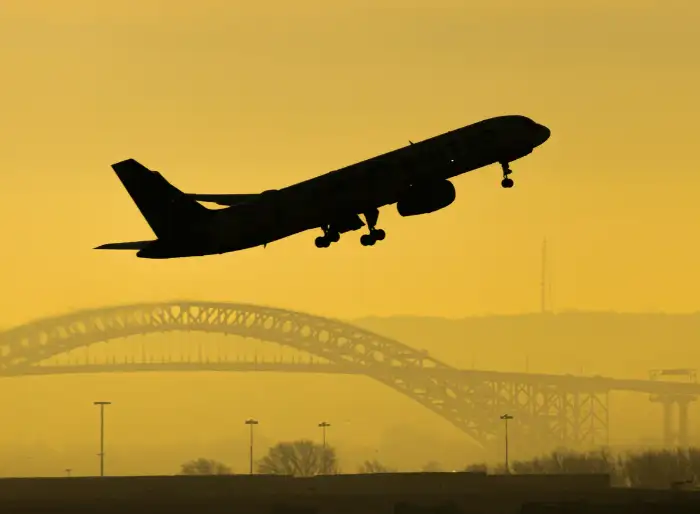
Photo by Bing Hui Yau on Unsplash
Hot News
Delta Buys Spirit Gates as Atlanta Rivals Run Out of Room

Bolt Targets Messy Ride Expenses With New Employee-Pay Mode

FAA Eyes AI for Air Traffic Safety as Runway Risks Keep Rising

TPConnects Launches Iris Express API to Cut NDC Complexity
