Paris Plans $10B Airport Overhaul, Airlines Expect Higher Fees
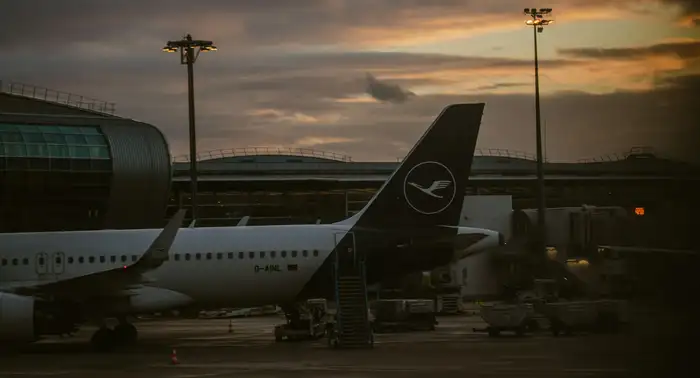
Shares of Aéroports de Paris (ADP), the publicly traded operator of Paris’ main airports, including Charles de Gaulle and Orly, moved higher after the company unveiled an €8.4 billion ($9.9 billion) investment plan covering the period from 2027 to 2034. Investors reacted positively to the scale of the proposal and its focus on long-term growth and competitiveness.
The plan is being advanced through a proposed Economic Regulation Agreement that would allow ADP to adjust airport charges in line with its investment requirements, creating a structured way to fund major infrastructure upgrades.
Infrastructure upgrades and sustainability goals
The spending program is designed to expand airport capacity enough to handle an estimated 18 million additional passengers per year. This would be achieved through a combination of terminal expansions, redesigned passenger flows, runway and taxiway upgrades, and airside improvements at both Charles de Gaulle and Orly aimed at improving on-time performance and resilience during peak travel periods.
These upgrades are intended to ensure the Paris airport system can handle future traffic growth more efficiently.
The investment plan also places strong emphasis on decarbonization. Projects include energy efficiency upgrades, support for cleaner ground operations, and infrastructure that enables airlines to reduce emissions while on the ground.
Competitive positioning and impact on travel
By expanding capacity and modernizing facilities at CDG and Orly, ADP aims to strengthen Paris’ position against fast-growing Middle Eastern hubs such as Dubai, Doha, and Abu Dhabi. These airports have invested heavily in premium services and transfer connectivity that attract long-haul passengers.
ADP forecasts average annual passenger growth of about 1.6 percent during the investment period. International traffic is expected to be the main driver as long-haul demand continues to recover and expand.
Airlines are expected to benefit from additional slots and improved operational efficiency, while travelers could see less congestion, better amenities, and more flight choices.
However, to support the investment, the ERA framework proposes gradual increases in airport charges tied to inflation plus a modest premium.
Additionally, the program keeps pace with changing security standards and regulations throughout European aviation, responding to major shifts that happened earlier in the year.
For example, in September 2025, France joined other EU countries in strengthening customs checks for incoming travelers from non-EU regions to protect public health and agriculture from threats posed by travelers potentially bringing in harmful pests, species, or illnesses.
Photo by Mario Scheibl on Unsplash
Hot News
Delta Buys Spirit Gates as Atlanta Rivals Run Out of Room

Bolt Targets Messy Ride Expenses With New Employee-Pay Mode

FAA Eyes AI for Air Traffic Safety as Runway Risks Keep Rising

TPConnects Launches Iris Express API to Cut NDC Complexity
