IATA Warns Airline Profits Will Shrink as Fuel Costs Hit $350B
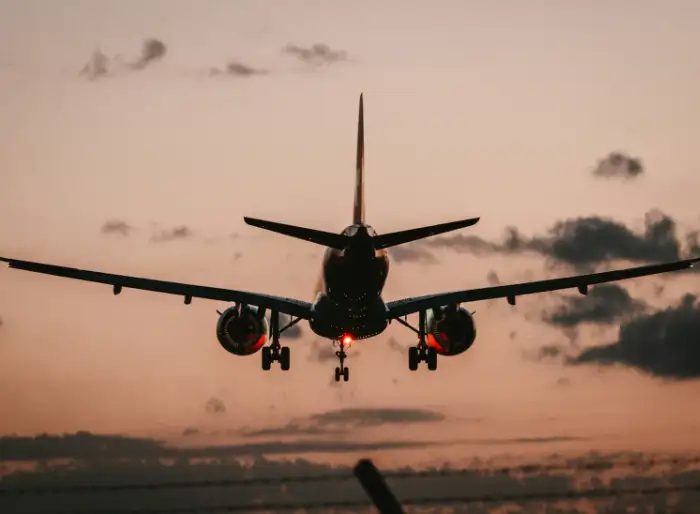
IATA has lowered its 2026 profit forecast for the global airline industry after a sharp rise in jet fuel prices.
The airline trade group now expects carriers to earn $23 billion in net profit this year, down from its earlier forecast of $41 billion.
The new outlook is also much weaker than 2025, when airlines made an estimated $45 billion. IATA released the update during its Annual General Meeting in Rio de Janeiro. The forecast shows that passengers are still flying, but airlines are keeping much less money from each trip because operating costs have risen quickly.
Fuel is now the biggest pressure on airlines
The main problem is jet fuel. IATA expects the industry’s fuel bill to rise to $350 billion in 2026, compared with $252 billion in 2025. This increase is not caused by airlines flying more. IATA expects total fuel use to stay almost unchanged at 104 billion gallons.
The cost is rising because jet fuel prices are much higher. IATA expects fuel to average $152 per barrel this year, up from $90 per barrel in 2025. Fuel is now expected to make up 31.4 percent of airline operating expenses, compared with 25.4 percent last year.
Strong demand is helping, but not enough
Air travel demand remains strong, which is helping airlines recover some of the pressure. IATA expects passenger ticket revenue to rise to $839 billion in 2026. Ancillary revenue, including paid bags, seat selection, and upgrades, is also expected to grow.
But higher revenue does not fully offset higher costs. IATA now expects the industry’s net profit margin to fall to 2.0 percent, down from 4.2 percent in 2025. Net profit per passenger is forecast at only $4.50. That shows how thin airline profits can be, even when planes are full.
Travelers may see higher fares and fewer weak routes
For travelers, the pressure may show up through higher fares. When fuel becomes more expensive, airlines often try to recover part of the cost through ticket prices, fuel surcharges, or stricter fare management.
Airlines may also become more careful about capacity. Routes with weak demand or low fares could see fewer flights, delayed growth, or cuts. Reuters reported that US airline fuel costs jumped 78 percent year over year in April, showing how quickly the fuel shock is already affecting airline finances.
The pressure from higher fuel costs is already showing up in airline strategy. For example, Air France-KLM has slowed its 2026 expansion plans after warning that its fuel bill could rise by $2.4B this year.
Photo by Claudio Schwarz on Unsplash
Hot News
Delta Buys Spirit Gates as Atlanta Rivals Run Out of Room

Bolt Targets Messy Ride Expenses With New Employee-Pay Mode

FAA Eyes AI for Air Traffic Safety as Runway Risks Keep Rising

TPConnects Launches Iris Express API to Cut NDC Complexity
