Hyatt Grows RevPAR 5.4% as Luxury Hotels Lead the Quarter
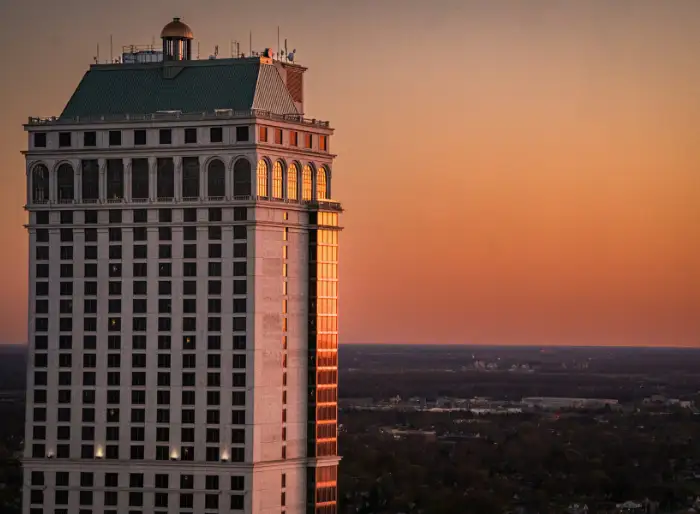
Hyatt Hotels reported first-quarter 2026 results, with growth in room revenue, fees, and future hotel development.
For the quarter ended March 31, the company reported net income attributable to Hyatt of $38 million. Adjusted net income reached $61 million, and adjusted EBITDA was $266 million.
Hyatt’s comparable systemwide hotel RevPAR rose 5.4 percent year over year, meaning the company earned more from its hotel rooms than it did in the same period of 2025.
Luxury and leisure travel led the quarter
Hyatt’s strongest demand came from luxury hotels and leisure travelers. Luxury properties led RevPAR growth, while leisure transient travel remained the company’s strongest segment. Group and business travel also improved, but only at a low single-digit pace.
Hyatt’s pipeline reaches a record 151,000 rooms
Hyatt’s future growth story became clearer in its development pipeline. The company said its pipeline of signed management and franchise contracts reached about 151,000 rooms, up 9.4 percent from a year earlier. This was a new company record and signals continued interest from hotel owners in Hyatt’s brands.
Hyatt opened 3,966 rooms during the quarter. New properties included Andaz Lisbon, Andaz Shanghai ITC, and The Livingston in Brooklyn, which became Hyatt’s first branded hotel in the borough. These openings show Hyatt expanding in lifestyle, luxury, and major urban markets.
Fee growth supports Hyatt’s asset-light model
Hyatt’s gross fees rose 8.6 percent to $333 million. Hyatt is increasingly focused on an asset-light business model. Instead of owning most hotel buildings, the company earns fees from managing and franchising properties owned by others.
That makes pipeline growth especially valuable. More managed and franchised hotels can bring Hyatt more fee income without requiring the company to carry all the costs of hotel ownership. In the quarter, base management fees and incentive management fees both increased, helped by stronger hotel performance, new openings, resort demand, and Asia Pacific growth.
Resorts grew, but some markets were weaker
Hyatt’s all-inclusive resort business also performed well. Comparable all-inclusive Net Package RevPAR rose 7.4 percent from the first quarter of 2025. This metric is used for all-inclusive resorts because guests often pay for a package that includes the room, food, drinks, and other services.
Still, Hyatt faced pressure in some destinations. The company said security concerns in Mexico affected demand, while conflict in the Middle East reduced RevPAR growth by about 50 basis points. Its distribution segment was also hurt by temporary issues, including hotel closures in Jamaica related to Hurricane Melissa and weaker demand in some four-star properties.
Premium travel keeps shaping hotel expansion
Major hospitality groups are still betting on premium travel and long-term development, even as some markets face economic and geopolitical pressure. A similar pattern appeared in Marriott’s luxury expansion in Rhodes, where the company strengthened its position in Greece’s high-end leisure market. Together, these moves show that luxury and lifestyle hotels remain one of the strongest growth areas for global hotel brands.
Hot News
Delta Buys Spirit Gates as Atlanta Rivals Run Out of Room

Bolt Targets Messy Ride Expenses With New Employee-Pay Mode

FAA Eyes AI for Air Traffic Safety as Runway Risks Keep Rising

TPConnects Launches Iris Express API to Cut NDC Complexity
