Hilton Bets on US Strength While Middle East Turmoil Hits Q2
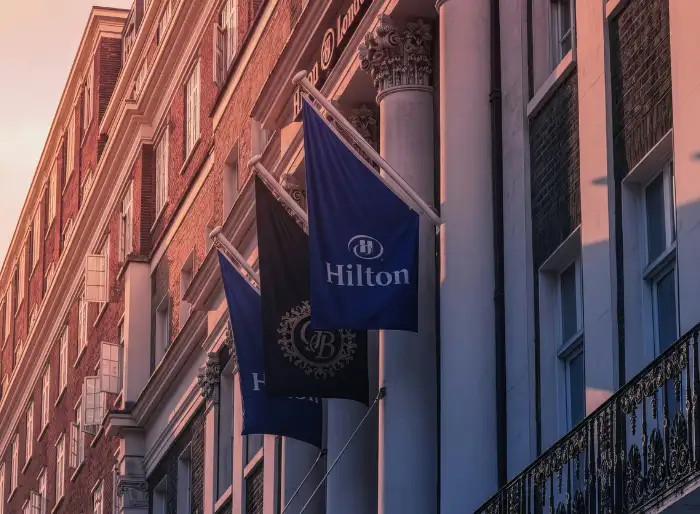
Hilton warned that the Middle East conflict could hurt its second-quarter results, even as the company raised its full-year outlook after a strong start to 2026.
The main concern is weaker hotel demand in the region and disruption to travel routes that pass through major Gulf hubs.
CEO Christopher Nassetta said the Middle East makes up about 3 percent of Hilton’s total business. That share is small, but the expected decline is sharp. Hilton estimates that RevPAR in the region could fall by around 50 percent in the second quarter, which could reduce companywide RevPAR by about 1.5 percent.
Gulf disruption could affect nearby travel markets
Hilton said the impact is not limited to hotels inside the Middle East. Travel disruption through Dubai is already affecting markets such as India, the Seychelles, and the Maldives. These destinations depend heavily on long-haul air connections, so problems in Gulf transit routes can quickly reduce hotel demand outside the immediate conflict area.
The company also said the impact differs by country. Saudi Arabia has remained more stable, while the United Arab Emirates, Kuwait, and Qatar have seen more disruption.
US hotels helped Hilton beat expectations
Hilton’s first quarter was stronger because demand improved in the US, its largest market. Nassetta said about 75 percent of Hilton’s business is driven by the US. Domestic performance was supported by business travel, group bookings, and spring break leisure demand.
US RevPAR rose 3.4 percent in the first quarter. Systemwide comparable RevPAR increased 3.6 percent year over year, helped by higher occupancy and stronger room rates. Hilton also reported net income of $383 million, up from $300 million a year earlier.
Hilton raises outlook despite regional pressure
Hilton now expects systemwide comparable RevPAR to grow between 2 percent and 3 percent in 2026, up from its earlier forecast of 1 percent to 2 percent. The company said stronger US demand helped offset the weaker outlook for the Middle East and Africa.
The latest results show a mixed picture for the hotel industry. Domestic travel in the US remains strong enough to support growth, especially in business, group, and leisure demand. But geopolitical disruption can still affect international bookings, air connections, and resort destinations that rely on Gulf transit routes.
Middle East route disruption spreads from airlines to hotels
This also fits the wider travel disruption caused by the Iran war. Airline fares jumped 24 percent as the conflict disrupted key Middle East routes, forcing airlines to reroute flights and deal with higher fuel costs. Hilton’s warning shows how the same disruption is now reaching hotels, especially in markets that depend on Gulf transit hubs and long-haul international demand.
Photo by Jose Antonio Jiménez Macías on Unsplash
Hot News
Delta Buys Spirit Gates as Atlanta Rivals Run Out of Room

Bolt Targets Messy Ride Expenses With New Employee-Pay Mode

FAA Eyes AI for Air Traffic Safety as Runway Risks Keep Rising

TPConnects Launches Iris Express API to Cut NDC Complexity
