United CEO Revives American Merger Hopes but Deal Still Looks Unlikely
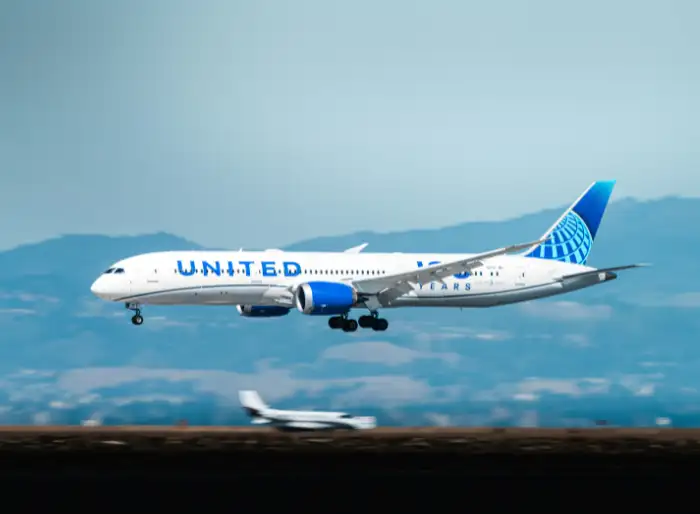
United Airlines CEO Scott Kirby said on June 7 that he still believes a merger with American Airlines would benefit consumers.
He made the comments at the IATA Annual General Meeting in Rio de Janeiro, where airline executives were discussing growth, competition, and industry costs.
Kirby said any deal would need support from unions, customers, shareholders, regulators, and American’s management. He suggested that American’s leadership is the main barrier. Without American’s approval, United has no clear path to move the idea forward.
American says the deal would reduce competition
American Airlines has rejected the proposal several times. CEO Robert Isom has argued that combining two of the world’s largest airlines would be anticompetitive and unlikely to pass regulatory review.
The concern is easy to understand. United and American both have large domestic and international networks. A merger would raise questions about fares, airport access, route overlap, and customer choice, especially in markets where both airlines are already strong.
United-American merger would reshape US air travel
A United-American merger would affect much more than the two airlines. It could change corporate travel contracts, loyalty programs, airport competition, and global airline partnerships. Travel managers could have fewer major carriers to negotiate with, while passengers could see changes in route options and pricing power.
United’s argument is based on scale. A larger airline could invest more in technology, lounges, aircraft, and international growth. But regulators would have to decide whether those benefits are strong enough to outweigh the risk of less competition.
American wants to prove it can improve alone
American is under pressure because rivals such as Delta and United have performed better in premium and international travel. American is now trying to close that gap by adding more premium seats and improving its onboard and lounge experience.
The airline has also faced criticism from labor groups over performance and leadership. That makes the merger discussion more sensitive. Still, American’s position remains clear: it wants to fix its own business rather than combine with United.
This is not the first time United-American merger speculation has drawn attention. American Airlines rejected United’s merger idea over antitrust concerns, arguing that a tie-up between two of the world’s largest airlines would be difficult to approve and could reduce competition.
Hot News
Delta Buys Spirit Gates as Atlanta Rivals Run Out of Room

Bolt Targets Messy Ride Expenses With New Employee-Pay Mode

FAA Eyes AI for Air Traffic Safety as Runway Risks Keep Rising

TPConnects Launches Iris Express API to Cut NDC Complexity
