UK Invests $59M in Green Aviation to Balance Airport Expansions
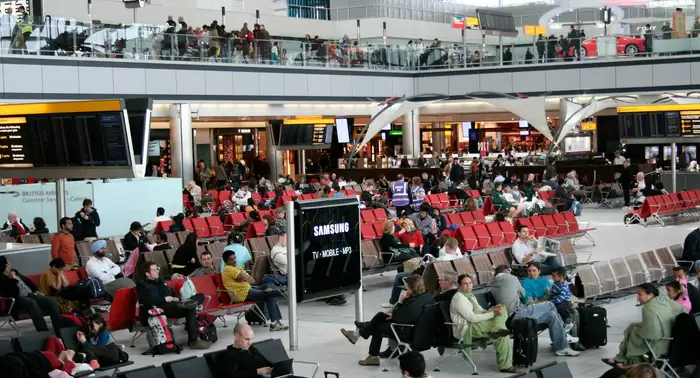
The UK government has confirmed plans to invest £43 million ($59 million) in green aviation research and development, directly connecting the funding to the recent approval of major expansion projects at London’s key airports, including Luton, Gatwick, and Heathrow, which was Europe’s busiest airport in 2025.
Investment in clean aviation tech
According to the Department for Transport, the funding will be directed toward next-generation aviation technologies designed to significantly reduce carbon emissions. These include zero-emission aircraft concepts, hydrogen-powered systems, sustainable aviation fuels, and other innovations that could help aviation growth remain compatible with the UK’s long-term climate commitments.
The government has positioned this investment as part of a wider effort to ensure that expanding flight schedules and airport infrastructure does not come at the expense of environmental progress.
Condensation trails research
The funding may also support experimental trials focused on reducing contrails, which are condensation trails formed by aircraft exhaust at high altitudes. These trails can trap heat in the atmosphere and contribute to global warming. By studying how contrails form and how they might be avoided through changes in flight paths or fuel types, researchers hope to reduce aviation’s indirect climate effects.
Regulatory preparation for hydrogen fuel use
The Civil Aviation Authority will take on the task of developing the regulatory framework needed to enable the large-scale use of hydrogen fuel in aviation. This includes setting safety standards, certification processes, and operational guidelines. The funding will also support collaboration with innovative companies and academic institutions that are actively preparing for the adoption of zero carbon aviation technologies.
Supporting sustainable fuels beyond the UK
A portion of the funding will be used to improve the tracking and use of sustainable aviation fuels in regions like Africa and the Caribbean to help them participate more effectively in international carbon offset and emissions reduction schemes.
Improving fuel tracking systems globally is also intended to protect UK airlines from unfair competition. Without proper monitoring and reporting tools, airlines based in low-income countries may avoid the costs associated with carbon offsetting. By supporting better implementation worldwide, the UK hopes to create a more level playing field while advancing global emissions reduction goals.
Photo by Chris Bahr on Unsplash
Hot News
Delta Buys Spirit Gates as Atlanta Rivals Run Out of Room

Bolt Targets Messy Ride Expenses With New Employee-Pay Mode

FAA Eyes AI for Air Traffic Safety as Runway Risks Keep Rising

TPConnects Launches Iris Express API to Cut NDC Complexity
