Uber Opens London Robotaxi Sign-Ups as UK Tests Driverless Rides
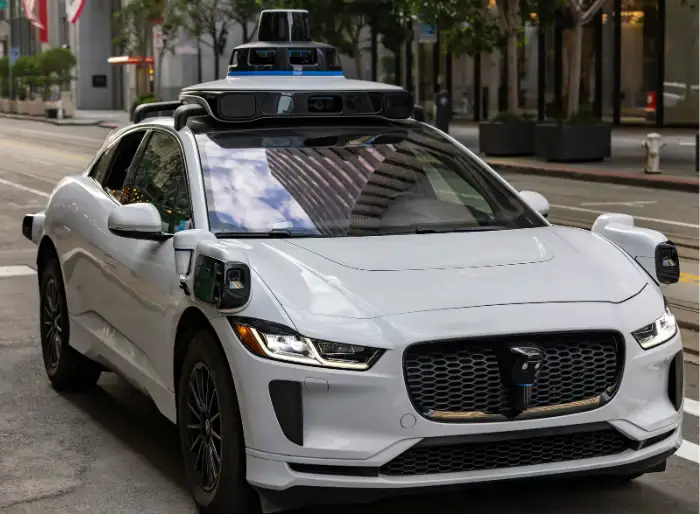
Uber opened sign-ups for London customers who want early access to robotaxi rides.
The service is planned with Wayve, a British autonomous driving startup, and is expected to launch after regulatory approval.
The rides will use electric Ford Mustang Mach-E vehicles fitted with Wayve’s AI driving system. They will appear in the Uber app as Uber x Wayve. At the start, the vehicles are expected to include trained safety operators, so the service will not be fully driverless from day one.
Passengers may see a Wayve vehicle option when booking selected Uber rides. They can also choose a regular Uber ride instead. This gives Uber a safer way to introduce the technology to customers who may still be unsure about autonomous cars.
London becomes a serious test for robotaxis
London is an important market for robotaxis because it is large, busy, and difficult to drive in. Its roads include heavy traffic, buses, cyclists, pedestrians, roadworks, and changing weather. These conditions make the city a tough test for self-driving systems.
For the travel and mobility industry, the launch brings autonomous ride-hailing closer to everyday use in Europe. Robotaxis already operate in parts of the US and China, but Europe has moved more slowly because of regulation and complex city environments.
The first impact will likely be limited. A small pilot will not change how most people travel around London. But it could show whether autonomous rides can safely work inside a major city transport system.
Wayve gives the project a local technology angle
Wayve is important because it provides the self-driving technology behind the service. The company is based in London and has tested its systems on UK roads for several years.
Its technology uses AI that learns from real driving situations. The idea is to help vehicles react to changing road conditions, instead of depending only on fixed rules or detailed maps.
This also gives the launch a wider UK technology angle. The project is not only about Uber adding a new ride option. It is also a test of whether British autonomous driving technology can compete in a global market.
Regulation will decide how fast it grows
The service still needs approval before it can operate commercially. The UK government has started preparing a controlled framework for self-driving taxi and bus-style pilots, but regulators will still need to review safety, insurance, vehicle licensing, and passenger protection.
Uber is investing more than $100 million in fast-charging hubs for future robotaxi operations, showing that the company is preparing not only for self-driving vehicles, but also for the infrastructure needed to keep them running at scale.
Photo by Leo_Visions on Unsplash
Hot News
Delta Buys Spirit Gates as Atlanta Rivals Run Out of Room

Bolt Targets Messy Ride Expenses With New Employee-Pay Mode

FAA Eyes AI for Air Traffic Safety as Runway Risks Keep Rising

TPConnects Launches Iris Express API to Cut NDC Complexity
