Turkish Airlines Cuts 18 Routes as Fuel Pressure Hits Its Global Network
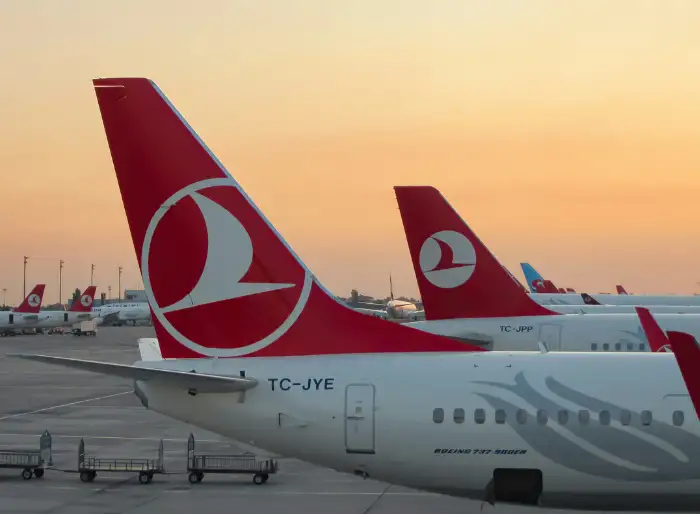
Turkish Airlines is suspending flights to 18 international destinations from May and June 202.
The move affects the airline’s summer 2026 schedule and, in some cases, continues into the winter 2026/27 season.
The suspended destinations are Aqaba, Billund, Bissau, Ferghana, Freetown, Havana, Hurghada, Juba, Kinshasa, Kirkuk, Leipzig/Halle, Libreville, Luanda, Lusaka, Monrovia, Najaf, Pointe Noire, and Turkistan. Some of these flights were already operating, while others were planned launches that have now been removed from the schedule.
Africa is the most affected region
Africa is the biggest focus of the cuts. Turkish Airlines is pausing flights to several African cities, including Freetown, Bissau, Kinshasa, Luanda, Libreville, Pointe Noire, Lusaka, Monrovia, and Juba. Some of these services are multi-stop routes, where the same aircraft connects Istanbul with two cities before returning.
These routes help Turkish Airlines serve smaller long-haul markets that may not support daily nonstop flights. They also give passengers in these cities access to Istanbul’s large global transfer network. But they can become harder to operate when fuel prices rise, flight times increase, or demand becomes weaker.
The cuts also affect Europe, Central Asia, the Middle East, and Latin America. Billund in Denmark, Leipzig/Halle in Germany, Ferghana in Uzbekistan, Turkistan in Kazakhstan, Aqaba in Jordan, Kirkuk in Iraq, and Najaf in Iraq are also affected. Havana remains a separate case because flights had already been disrupted by fuel supply problems in Cuba.
Fuel costs are making weaker routes harder to protect
Higher fuel prices are one of the main reasons behind the cuts. The Iran war has disrupted airline routes and pushed up jet fuel costs, creating new pressure before the summer travel season. Airlines are now reviewing capacity, fares, and route plans more carefully.
The Middle East disruption is also changing airline planning
Geopolitical tension is another important factor. IATA said global passenger demand rose 2.1 percent in March 2026, but the Middle East was a major weak point. International traffic for Middle Eastern carriers fell by nearly 61 percent because of the Iran conflict and related airspace closures.
Turkish Airlines is not the only carrier adjusting its network as fuel costs and Middle East disruption reshape airline planning. United cut weaker off-peak flights, SAS removed around 1,000 April services, AirAsia X raised fares and trimmed some routes, and Qantas shifted capacity away from some US routes toward Europe.
Photo by Alireza Akhlaghi on Unsplash
Hot News
Delta Buys Spirit Gates as Atlanta Rivals Run Out of Room

Bolt Targets Messy Ride Expenses With New Employee-Pay Mode

FAA Eyes AI for Air Traffic Safety as Runway Risks Keep Rising

TPConnects Launches Iris Express API to Cut NDC Complexity
