AirAsia X Raises Fares as Iran War Blows Up Fuel Costs
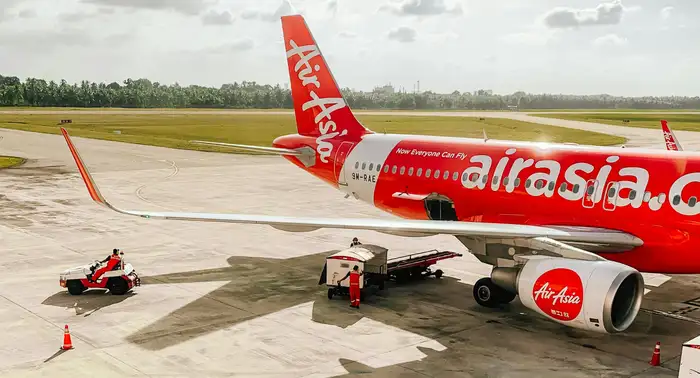
AirAsia X is raising ticket prices by 31 percent to 40 percent and adding a 20 percent fuel surcharge after the Iran war sharply increased jet fuel costs.
The airline announced the move on April 6 and said it is trying to protect its business without making major cuts to jobs or flights.
The airline said it used to pay about $80 to $90 for fuel before the war, but now pays around $200 on average.
Flight cuts remain limited, but weaker routes are being removed
AirAsia X said it has cut about 10 percent of flights across the group so far. The airline said some of that reflects the normal slowdown after Hari Raya, when travel demand usually eases in Malaysia and Indonesia after the holiday peak.
At the same time, the carrier is using the crisis to remove routes that were not working. It said some newer exploratory routes would be cut permanently if they were not profitable. On stronger routes, especially those with several daily flights, AirAsia X is reducing frequency rather than leaving the market completely.
Bahrain is still part of the Europe strategy, but the launch now looks more uncertain
AirAsia X says Bahrain remains part of its long-haul growth plan. In February, the airline announced daily Kuala Lumpur-Bahrain-London Gatwick flights from June 26 and described Bahrain as its first strategic hub for expansion into Europe.
That plan is now harder to execute. Bahrain International Airport said flight operations are suspended because of the airspace closure, while disruption around the market continues.
AirAsia X says bookings for Bahrain are still coming in, but the route now depends not only on demand, but also on whether the regional situation improves in time.
No unpaid leave for now as the airline uses the slowdown to prepare
AirAsia X said it is not planning unpaid leave at this stage. Instead, it is bringing forward aircraft maintenance and adjusting where planes are deployed across the network.
Other airlines are also changing prices, schedules, and costs as fuel pressure grows
AirAsia X’s response looks less like a one-off decision and more like part of a wider airline playbook for handling the fuel shock. Other carriers are reacting in different ways to the same pressure.
SAS said it would cancel about 1,000 flights in April as soaring jet fuel costs forced it to cut weaker capacity, while United has looked for other ways to protect margins, including higher baggage fees and tighter fare segmentation. Korean Air has also moved into emergency management mode as higher oil prices raise operating costs.
In that context, AirAsia X’s fare increases, selective route cuts, and cautious stance on expansion fit a broader market pattern: airlines are no longer trying to absorb the full impact of higher fuel on their own.
Photo by Alif Shaari on Unsplash
Hot News
Delta Buys Spirit Gates as Atlanta Rivals Run Out of Room

Bolt Targets Messy Ride Expenses With New Employee-Pay Mode

FAA Eyes AI for Air Traffic Safety as Runway Risks Keep Rising

TPConnects Launches Iris Express API to Cut NDC Complexity
