Singapore’s 2026 Tourism Boom Comes With a Spending Warning
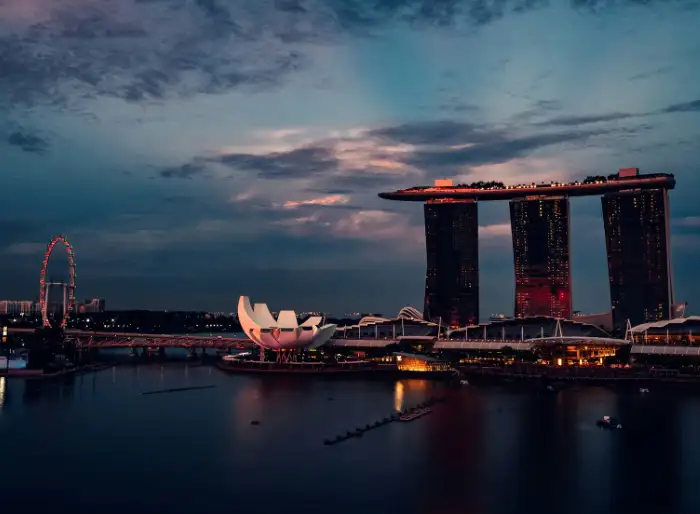
Singapore expects more international visitors in 2026, but it is preparing for weaker tourism spending.
The Singapore Tourism Board forecast 17 million to 18 million arrivals this year, up from 16.9 million in 2025. However, tourism receipts are expected to reach S$31 billion to S$32.5 billion, below the record S$32.8 billion reported last year.
Singapore may receive more travelers but earn less from tourism overall. The main concern is spending per visitor. Tourists may still travel, but they may choose shorter stays, cheaper hotels, or fewer paid experiences because of higher travel costs and global uncertainty.
Lower spending could hit Singapore’s wider travel economy
Singapore is one of Asia’s most important travel hubs. It serves business travelers, event visitors, cruise passengers, leisure tourists, and people connecting through Changi Airport. If tourists spend less, the impact can spread across hotels, restaurants, retailers, attractions, airlines, and event companies...
Singapore usually attracts high-value travelers. These visitors often spend on hotels, shopping, dining, entertainment, meetings, and premium experiences. So, a weaker spending outlook does not only affect tourism statistics. It can directly affect revenue for many travel-related businesses.
Uncertainty is making travel demand harder to predict
Singapore’s cautious forecast reflects a more unstable global travel market. Middle East tensions, higher fuel costs, and weaker economic confidence can make both leisure travelers and companies more careful with travel budgets. People may still take trips, but they may spend less once they arrive.
Business travel is especially sensitive to this environment. Companies often reduce non-essential trips when costs rise or geopolitical risks increase. That matters for Singapore because conferences, meetings, and corporate travel are a major part of its tourism strategy.
Singapore still has strong travel advantages
The softer spending forecast does not mean Singapore’s travel market is weak. Changi Airport handled 69.98 million passenger movements in 2025, its highest level ever and 3.4 percent more than in 2024. This shows that Singapore remains a major gateway for regional and long-haul travel.
Singapore also has a strong events calendar. Formula One, concerts, business conferences, cruises, and major regional events help bring visitors for reasons beyond regular sightseeing. These segments can support demand even when travelers become more selective with spending.
Singapore is investing for the long term
Singapore is responding with more investment. The government will add S$740 million to the Tourism Development Fund over the next five years, after already announcing more than S$300 million in 2024. The funding is meant to help tourism businesses improve products, enter new markets, and stay competitive.
The move supports Singapore’s Tourism 2040 plan, which aims to raise tourism receipts to S$47 billion to S$50 billion by 2040. The strategy is focused not only on attracting more visitors, but also on increasing the value of each trip.
Recently, the Singapore Tourism Board partnered with OpenAI to improve tourism technology, visitor experiences, and destination marketing. Singapore is not only trying to bring in more travelers. It is also investing in tools that can help tourism businesses personalize offers, improve trip planning, and encourage visitors to spend more during their stay.
Photo by Luiz Guimaraes on Unsplash
Hot News
Delta Buys Spirit Gates as Atlanta Rivals Run Out of Room

Bolt Targets Messy Ride Expenses With New Employee-Pay Mode

FAA Eyes AI for Air Traffic Safety as Runway Risks Keep Rising

TPConnects Launches Iris Express API to Cut NDC Complexity
