Ryanair Goes Debt-Free as Rivals Still Carry the Bill
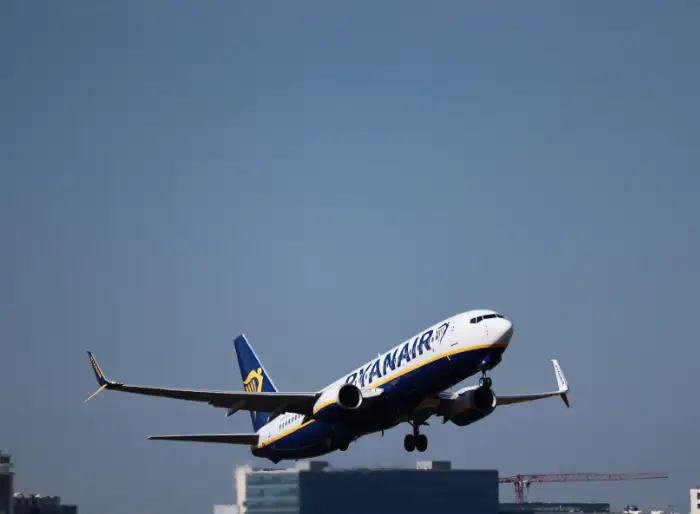
Ryanair said that it had repaid its last €1.2 billion ($1.4 billion) bond, making the airline effectively debt-free for the first time since it listed on the stock market in 1997.
The bond was issued in 2021, when airlines were raising cash to protect themselves from the pandemic travel collapse.
The repayment also leaves Ryanair’s 620 Boeing 737 aircraft unencumbered.
Rivals still have debt to manage
Many European competitors are in a different position. Lufthansa Group reported €5.3 billion ($6.1 billion) in net debt at the end of March 2026, although that was down from €6.4 billion ($7.4 billion) at the end of 2025. The group also had €10.3 billion ($11.9 billion) in liquidity, giving it a strong cash buffer but not removing the debt burden.
EasyJet is stronger than many rivals. It reported £434 million ($586 million) in net cash and £4.7 billion ($6.3 billion) in liquidity at the end of March 2026. However, its structure is still not as clean as Ryanair’s because it continues to use a mix of owned and financed aircraft.
The timing helps Ryanair’s low-cost model
Ryanair has built its strategy around low costs, high aircraft use, and low fares. A debt-free balance sheet makes that model stronger because the airline does not have to spend large sums servicing bond debt.
The company entered this milestone from a strong financial position. For FY26, Ryanair reported €2.26 billion ($2.6 billion) in profit after tax before exceptional items, up 40 percent from the previous year. Traffic rose 4 percent to 208.4 million passengers, despite delays in Boeing aircraft deliveries.
Photo by Stroopsniper Lenn on Unsplash
Hot News
Delta Buys Spirit Gates as Atlanta Rivals Run Out of Room

Bolt Targets Messy Ride Expenses With New Employee-Pay Mode

FAA Eyes AI for Air Traffic Safety as Runway Risks Keep Rising

TPConnects Launches Iris Express API to Cut NDC Complexity
