Royal Caribbean’s $294M Mexico Play Shows Private Beaches Have Limits
Mexico has rejected Royal Caribbean’s plan to build Perfect Day Mexico, a large cruise-focused resort in Mahahual, Quintana Roo.
The decision was confirmed in May 2026 after Semarnat, Mexico’s Environment Ministry, ruled that the project created too much risk for the local ecosystem. President Claudia Sheinbaum also said the resort would not be built there because the area is especially important for reefs.
The project was meant to open in 2027 and become one of Royal Caribbean’s biggest destination investments in Latin America. It was designed with beaches, pools, restaurants, bars, and more than 30 waterslides. The idea was to give cruise passengers a full-day branded experience on land, similar to Royal Caribbean’s Perfect Day at CocoCay in the Bahamas.
The location was the problem
Mahahual is a small coastal town near the Mesoamerican Barrier Reef, one of the most important reef systems in the region. The area also includes mangroves, coastal habitats, and marine life that are sensitive to large-scale construction and heavy visitor traffic.
Environmental groups and local opponents argued that a resort of this size could damage the coastline, affect water systems, and put more pressure on a small community. Semarnat’s review raised concerns about mangroves, reef ecosystems, aquatic areas, and the local aquifer.
Royal Caribbean already had money in the site
The rejection is financially important because Royal Caribbean had already invested in the area. In its 2025 financial filing, the company said it bought the Port of Costa Maya and nearby land in Mahahual for $294 million.
This makes the case a warning for large tourism developers. Environmental risk is no longer just a late-stage approval issue. In fragile coastal areas, companies need to understand ecological limits, community concerns, and political risk before buying land or announcing major projects.
Why the cruise industry should pay attention
Cruise lines are investing more in private islands, beach clubs, and branded shore experiences. These projects help them control the guest experience and capture more spending outside the ship. But they also bring cruise companies deeper into local land-use debates.
The Mahahual decision shows that destination control has limits. A cruise company can design a resort, but it cannot fully control environmental regulation, public pressure, or local politics. In sensitive places, a strong business case may not be enough.
Destinations are managing tourism growth. Recently, Barcelona doubled tourist stay taxes to fund housing and manage overtourism. The city’s policy showed that popular destinations are becoming more willing to limit or price visitor demand when tourism puts pressure on local life. Royal Caribbean’s blocked Mahahual project points to the same trend from another angle: travel growth is still welcome, but only when destinations believe their communities, infrastructure, and natural assets can absorb it.
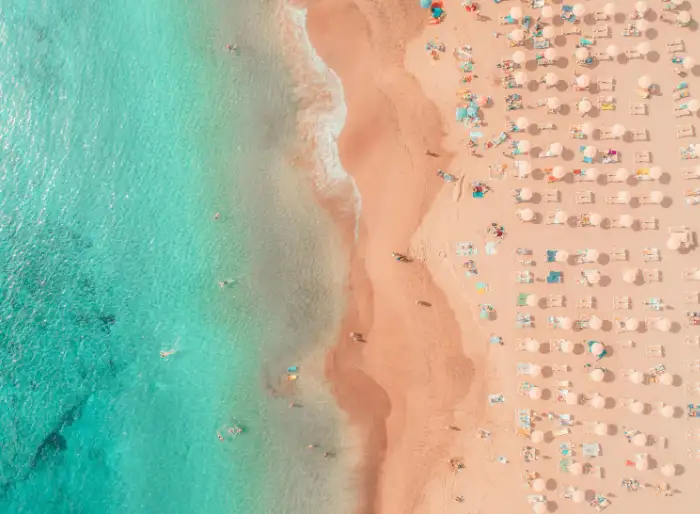
Photo by Geio Tischler on Unsplash
Hot News
Delta Buys Spirit Gates as Atlanta Rivals Run Out of Room

Bolt Targets Messy Ride Expenses With New Employee-Pay Mode

FAA Eyes AI for Air Traffic Safety as Runway Risks Keep Rising

TPConnects Launches Iris Express API to Cut NDC Complexity
