New Legislation to Make Shutdowns Less Disruptive for Air Travel
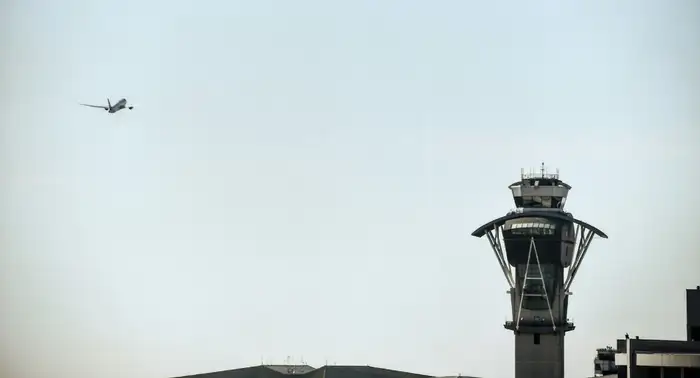
The US House Transportation and Infrastructure Committee has unanimously approved legislation that would allow the Federal Aviation Administration to continue paying air traffic controllers and other essential aviation employees during future federal shutdowns.
The move follows a record-long 43-day government shutdown earlier this year, when air travel faced widespread disruption as controllers were required to work without pay.
Lawmakers say the bill is designed to prevent a repeat of those conditions, which strained the aviation system and raised safety concerns.
The legislation details
Known as the Aviation Funding Solvency Act, the bill would give the FAA authority to draw from the Aviation Insurance Revolving Fund if Congress fails to pass annual funding legislation. This would allow the agency to keep paying controllers and other critical staff even when appropriations lapse.
By ensuring workers are paid, the FAA would be less likely to face staffing shortages caused by absenteeism or morale issues. Lawmakers argue this would reduce the need for capacity cuts, flight limits, or operational slowdowns imposed for safety reasons during shutdowns.
Industry and bipartisan support
The bill has bipartisan backing in the House and support from US airlines, aviation labor groups, and safety organizations. These stakeholders argue that uninterrupted pay for controllers is essential to maintaining a safe and reliable national airspace system, regardless of political disputes in Washington.
Supporters also note that aviation is a critical economic engine and that disruptions ripple quickly across the broader economy.
Broader implications for shutdown negotiations
If passed by both chambers of Congress and signed into law, the bill would eliminate one of the most visible and disruptive effects of a government shutdown, as essential aviation workers would no longer be forced to work without pay.
This change could reduce the political and economic pressure traditionally created by aviation disruptions during shutdowns. During the 2018 to 2019 shutdown, unpaid controllers and rising sick calls were widely seen as a tipping point that helped push lawmakers to reopen the government.
Hot News
Delta Buys Spirit Gates as Atlanta Rivals Run Out of Room

Bolt Targets Messy Ride Expenses With New Employee-Pay Mode

FAA Eyes AI for Air Traffic Safety as Runway Risks Keep Rising

TPConnects Launches Iris Express API to Cut NDC Complexity
