Marriott Raises 2026 Outlook as US Hotel Demand Beats Expectations
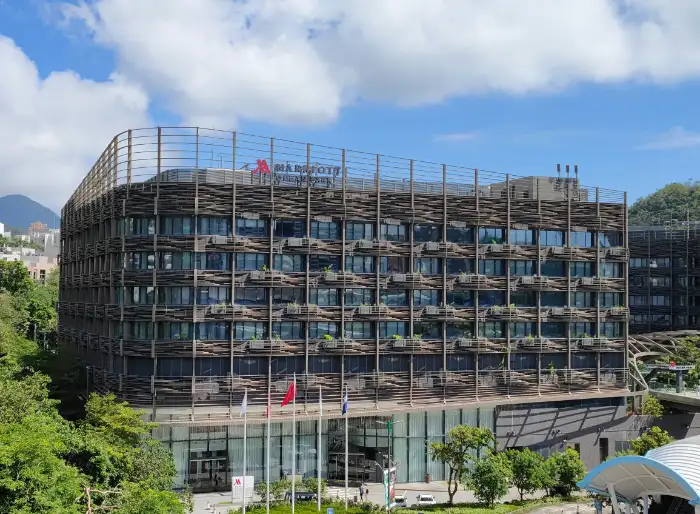
Marriott International raised its 2026 outlook after a stronger first quarter showed that hotel demand in the US and Canada is holding up better than expected.
The company now expects global RevPAR to grow 2 percent to 3 percent this year, up from its previous forecast of 1.5 percent to 2.5 percent. RevPAR means revenue per available room, a key hotel metric that shows how much money hotels make from their available rooms.
The improvement was strongest in the US and Canada, where RevPAR rose 4 percent in the first quarter. This means Marriott benefited from both stronger room demand and better pricing. The company also reported adjusted earnings per share of US$2.72, above analyst expectations, which helped support the higher full-year forecast.
Select-service hotels show demand is broadening
Luxury hotels continued to lead Marriott’s performance, but the bigger signal came from select-service hotels. These are usually more affordable hotels with fewer services than full-service or luxury properties. They are common for road trips, short stays, domestic leisure travel, and business trips.
In the US and Canada, luxury RevPAR rose nearly 7 percent, while select-service RevPAR increased 3.5 percent. That was a clear improvement from the previous quarter, when select-service RevPAR fell by more than 1 percent.
Road trips may be replacing some flights
Marriott linked part of the select-service rebound to stronger demand for drive-to destinations. When airline fares rise because of fuel costs, some travelers avoid flying and choose places they can reach by car.
World Cup demand could add another boost
Marriott also expects the 2026 FIFA World Cup to support hotel demand later this year. The tournament will be held across the US, Canada, and Mexico, creating major demand around match dates and host cities. Marriott expects the event to add 30 to 35 basis points to global RevPAR growth in 2026.
Some markets have reported slower early bookings, but Marriott said it still expects demand to build closer to the event.
Middle East conflict remains the main risk
The biggest weakness in Marriott’s outlook is the Middle East. Conflict in the region has already hurt hotel demand and reduced travel confidence. Marriott’s Middle East RevPAR fell 1.9 percent in the first quarter, while occupancy dropped 5.4 percentage points.
World Cup lift may be helpful but limited
CoStar and Tourism Economics expect the 2026 FIFA World Cup to lift US hotel RevPAR by 1.7 percent during June and July, with the biggest benefit likely concentrated in host cities rather than across the whole market. That makes Marriott’s stronger US forecast important, because it shows that the company is not relying only on the World Cup.
Photo by Cheung Yin on Unsplash
Hot News
TPConnects Launches Iris Express API to Cut NDC Complexity

Navan Buys Smartrips to Turn Brazil Into Its Latin America Launchpad

Qatar Airways Restores 85% Network as New Leaders Step In

Korean Air Taps Samsung as Loyalty Moves Beyond the Flight
