LATAM’s $576M Profit Meets a Jet Fuel Reality Check
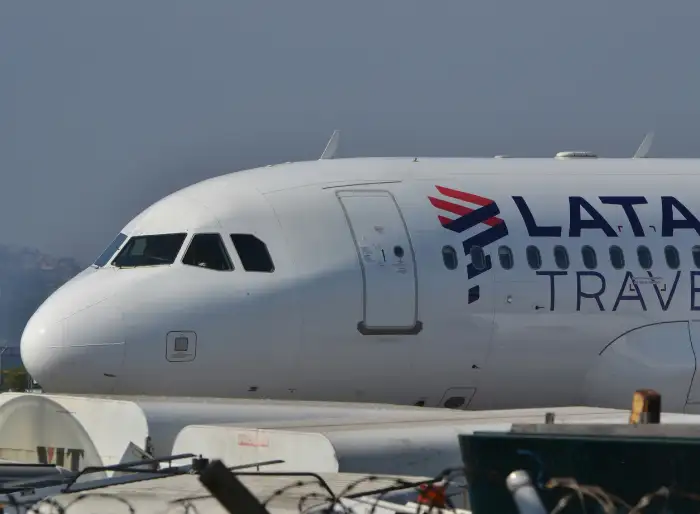
LATAM Airlines Group reported US$576 million in net income for the first quarter of 2026, helped by strong demand across its passenger network.
The company said its adjusted operating margin reached 19.8 percent, showing that it remained profitable even as fuel costs started to rise.
LATAM is one of the largest airline groups in Latin America, so its results are a useful signal for the region’s travel market. The airline operates across major South American countries and connects the region with North America, Europe, Oceania, and Africa.
More capacity helped passenger growth
LATAM increased capacity by 10.4 percent in the first quarter and carried 22.9 million passengers, up 9.1 percent year over year. In simple terms, capacity means the number of seats an airline makes available across its network. The strongest growth came from international flights and LATAM Airlines Brazil’s domestic business.
The group also reported a load factor of 85.3 percent.
Fuel costs changed the outlook
LATAM lowered its 2026 earnings forecast because jet fuel prices have risen sharply. The airline now expects adjusted EBITDA of US$3.8 billion to US$4.2 billion, down from its earlier forecast of US$4.2 billion to US$4.6 billion.
LATAM said higher fuel prices had already created an approximately US$40 million impact in the first quarter. The second quarter could be much harder, with more than US$700 million in additional fuel expenses if jet fuel averages US$170 per barrel.
LATAM is trying to protect margins
The company said it is using revenue management, selective capacity adjustments, cost controls, liquidity measures, and hedging to reduce the impact of fuel volatility. Revenue management means adjusting fares and seat availability to protect income. Targeted capacity changes mean LATAM may be more careful about where it adds flights.
LATAM now expects adjusted passenger CASK excluding fuel to range from 4.50 to 4.70 cents. CASK means cost per available seat kilometer, a common airline metric that shows how much it costs to fly one available seat for one kilometer. The company also expects liquidity of at least US$4.5 billion and adjusted net leverage at or below 1.8 times.
Fuel Costs Push Airlines Into Defense Mode
Across the industry, airlines are still seeing demand, but higher jet fuel prices are forcing them to protect margins through slower capacity growth, fare adjustments, and tighter cost control. Air France-KLM also cut its 2026 capacity outlook after its expected fuel bill jumped by US$2.4 billion, showing that LATAM is not facing this pressure alone.
Ryanair is still expanding its London schedule despite warning about possible jet fuel shortages. Ryanair sees the risk as a later-summer problem rather than an immediate reason to cut flights, while also moving capacity away from weaker markets.
Photo by Daniel Cruz on Unsplash
Hot News
Delta Buys Spirit Gates as Atlanta Rivals Run Out of Room

Bolt Targets Messy Ride Expenses With New Employee-Pay Mode

FAA Eyes AI for Air Traffic Safety as Runway Risks Keep Rising

TPConnects Launches Iris Express API to Cut NDC Complexity
