India’s Luxury Hotels Turn Local Spending Into Their Growth Engine
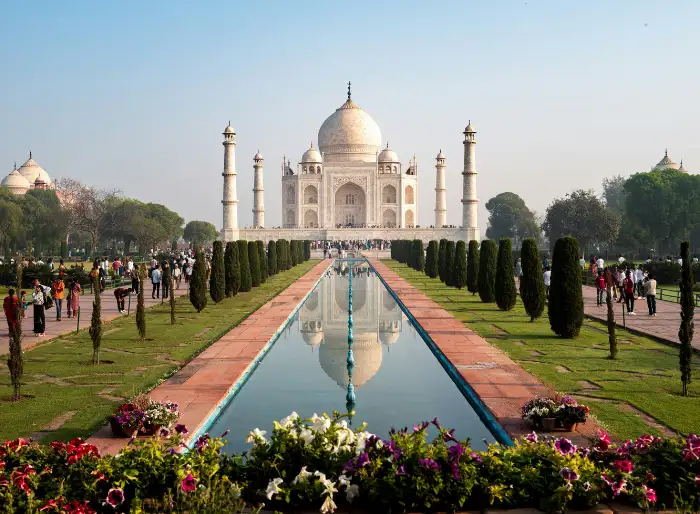
India’s luxury hotels are getting stronger support from domestic travelers.
EIH Limited, which owns Oberoi Hotels & Resorts and Trident Hotels, said that demand from Indian guests has grown strongly and is helping offset weaker foreign travel. The company said inbound bookings were affected by geopolitical disruption, weaker flight access, and softer international demand.
Luxury hotels have long depended on foreign tourists, especially during high-demand seasons. But wealthier Indian travelers are now spending more on premium stays at home. That gives hotel groups a stronger local base when international travel becomes harder to predict.
Domestic luxury travel is becoming more important
India’s domestic travel market is changing. More Indian consumers are booking high-end hotels for short vacations, weddings, family events, business trips, and wellness stays. For luxury brands, this creates more demand beyond the traditional foreign tourist market.
EIH also sees room to raise prices. The company believes India’s best luxury hotels still charge less than similar properties in Europe, North America, and parts of Asia. If affluent domestic travelers keep trading up, hotels can increase room rates gradually instead of relying only on higher occupancy.
Inbound tourism is valuable but still fragile
Foreign tourism remains important for India, but the recovery is uneven. India recorded about 9.02 million foreign tourist arrivals in 2025, according to provisional tourism figures.
Spending tells a more positive story. The World Travel & Tourism Council said international visitor spending in India reached INR 3.1 trillion ($32.6 billion) in 2024, 9 percent above the previous 2019 peak. In simple terms, foreign travelers are still valuable, but arrival demand is not always stable.
Global disruption makes local demand more valuable
Luxury hotels are sensitive to international flight disruption because many foreign guests depend on long-haul routes. If flights are reduced, rerouted, or made more expensive, travelers may delay India trips or choose destinations that are easier to reach.
Domestic demand is more flexible. Indian travelers can often book faster, travel within the country more easily, and replace an overseas trip with a premium local stay.
Latest results show growth, but not without pressure
EIH’s latest numbers show a stronger market, but also some pressure. For the quarter ended March 31, 2026, the company reported sales of INR 8.95 billion ($94.1 million), up from INR 8.27 billion ($87 million) a year earlier. Revenue also increased, while net income slipped to INR 2.38 billion ($25 million) from INR 2.53 billion ($26.6 million).
A similar trend is visible in the wider Indian hotel market. Radisson plans to expand its India portfolio to around 160 operating hotels by the end of 2026, supported by strong domestic travel and rising demand outside the country’s largest cities.
Photo by Letian Zhang on Unsplash
Hot News
Delta Buys Spirit Gates as Atlanta Rivals Run Out of Room

Bolt Targets Messy Ride Expenses With New Employee-Pay Mode

FAA Eyes AI for Air Traffic Safety as Runway Risks Keep Rising

TPConnects Launches Iris Express API to Cut NDC Complexity
