Frontier Loses $283M as Fuel Pain Tests the Budget Airline Playbook
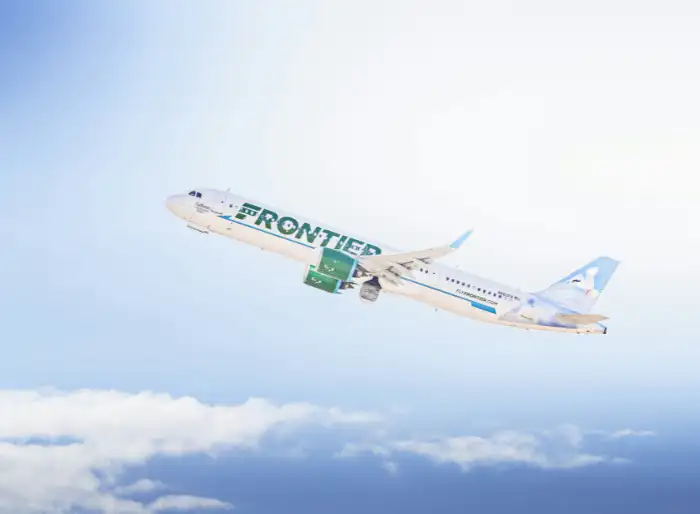
Frontier Airlines reported a $283 million operating loss in the first quarter of 2026, even though revenue reached a record level.
The discount carrier brought in $992 million in operating revenue, but its expenses rose to about $1.28 billion. That left Frontier with an operating loss margin of 28.3 percent.
The airline’s net loss was $272 million, or $1.18 per share. However, that figure included large one-time costs. After removing special items, Frontier’s adjusted net loss was $68 million, or $0.30 per share, which was better than its earlier guidance.
Frontier is cutting back growth
Frontier also took a $139 million charge linked to the early termination of leases for 24 Airbus A320neo aircraft. This means the airline is returning some aircraft earlier than planned as part of a wider effort to slow growth and improve its finances.
The company also moved to defer 69 future Airbus A320-family aircraft deliveries.
Spirit’s shutdown gives Frontier an opening
Spirit Airlines’ shutdown could create a new opportunity for Frontier. Spirit was Frontier’s closest ultra-low-cost competitor and overlapped with it on more than 100 routes. With Spirit gone, Frontier may be able to win former Spirit customers and gain more pricing power.
Frontier expects Spirit’s exit to lift revenue per available seat mile by 3 percent to 5 percent over time. The airline also expects second-quarter unit revenue to rise by more than 20 percent, helped by lower competition, resilient travel demand, and efforts to recover higher fuel costs.
The outlook is still under pressure
Frontier ended the first quarter with $974 million in liquidity, which was $100 million higher than at the end of 2025. Liquidity shows how much financial flexibility the airline has through cash and available funding. Frontier expects to end the second quarter with $900 million to $950 million in liquidity.
Still, the next quarter looks difficult. Frontier expects jet fuel to cost about $4.25 per gallon in Q2, up from $2.88 in Q1.
Frontier’s results also fit a wider shift in the US budget airline market. Several low-cost carriers are seeking new financial support after Spirit’s collapse reshaped the fare environment and removed a major ultra-low-cost competitor from many routes. For Frontier, that could create more pricing power, but the core challenge remains the same: budget airlines need lower fuel costs, disciplined capacity, and enough demand to keep low fares profitable.
Hot News
Delta Buys Spirit Gates as Atlanta Rivals Run Out of Room

Bolt Targets Messy Ride Expenses With New Employee-Pay Mode

FAA Eyes AI for Air Traffic Safety as Runway Risks Keep Rising

TPConnects Launches Iris Express API to Cut NDC Complexity
