Five US States Are Most Exposed to a Drop in Overseas Travel
A new National Travel and Tourism Office report shows that overseas travel spending in the US is heavily concentrated in a few major states.
New York, California, Florida, Texas, and Massachusetts received almost 59 percent of all overseas visitor spending in 2024, or nearly $100 billion combined. That makes them the most exposed if international travelers cut back on US trips.
Gateway states depend most on overseas visitors
New York led the country in 2024, with more than 9.8 million overseas visitors and $32.1 billion in spending. California followed with 6.9 million visitors and $26.9 billion, while Florida received 8.8 million visitors and $25.2 billion. These states attract travelers through major airports, famous cities, theme parks, shopping, business events, universities, and cultural attractions.
Because their international travel markets are so large, even a small slowdown can have a visible impact. Fewer overseas visitors can mean lower revenue for hotels, restaurants, retailers, museums, tour operators, airports, and local transport providers. The pressure would be strongest in major destinations such as New York City, Los Angeles, San Francisco, Miami, Orlando, and Boston.
The risk is not only about visitor numbers
Overseas travelers are important because they often stay longer and spend more across the local economy. Their money goes beyond hotel rooms. It also supports restaurants, shopping, entertainment, transportation, education, and other services.
The NTTO report found that overseas visitors spent $169.8 billion across the US in 2024 and supported about 906,000 jobs. Spending exceeded $1 billion in 26 states and territories, but the largest benefits were still concentrated in the top gateway markets.
California and Florida show why the outlook is mixed
California has already warned that international demand is under pressure. Visit California said international visits declined 2.0 percent in 2025 because of higher global tariffs and negative sentiment toward the US. It also forecast overseas visits to fall 3.7 percent in 2025, before returning to growth in 2026 with help from FIFA World Cup matches in Los Angeles and San Francisco.
Florida’s picture is different. Overseas demand remained stronger, but Canadian travel weakened sharply. That matters because Canada is not counted in the NTTO overseas report, yet it is one of Florida’s most important international markets.
The latest outlook is still uncertain
NTTO’s national forecast expects total international arrivals to the US to reach 85 million in 2026, passing pre-pandemic 2019 levels. That suggests the inbound market may continue recovering overall.
Still, the recovery is uneven. Exchange rates, visa rules, air capacity, political sentiment, and travel costs can all influence whether overseas travelers choose the US or another destination. For New York, California, Florida, Texas, and Massachusetts, the main risk is clear: when high-spending international visitors pull back, the economic impact is felt quickly.
US inbound travel has a World Cup opportunity
The state-level exposure also fits into a wider question about the strength of US inbound tourism in 2026. The US remains the world’s largest travel and tourism market, but growth is slowing and the recovery is still uneven across source markets. The 2026 FIFA World Cup could bring a major demand boost, yet visa delays, travel costs, and weaker traveler sentiment may still limit how much of that opportunity turns into real visitor spending.
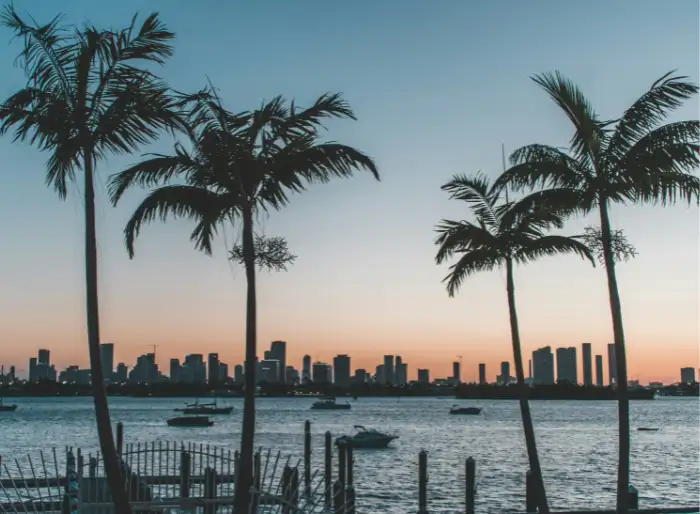
Photo by Denys Kostyuchenko on Unsplash
Hot News
Cuba Tourism Falls 56% as Fuel Crisis Reaches the Travel Sector

Southwest Eyes Long-Haul Flights as Its No-Frills Era Keeps Shrinking

Hyatt Says Premium Brands Can Turn Smaller Scale Into Bigger Returns

NYC Pushes for $35M Before World Cup Crowds Pick Their Cities
