Europe Eases EES Checks as Dover Queues Warn of Summer Trouble
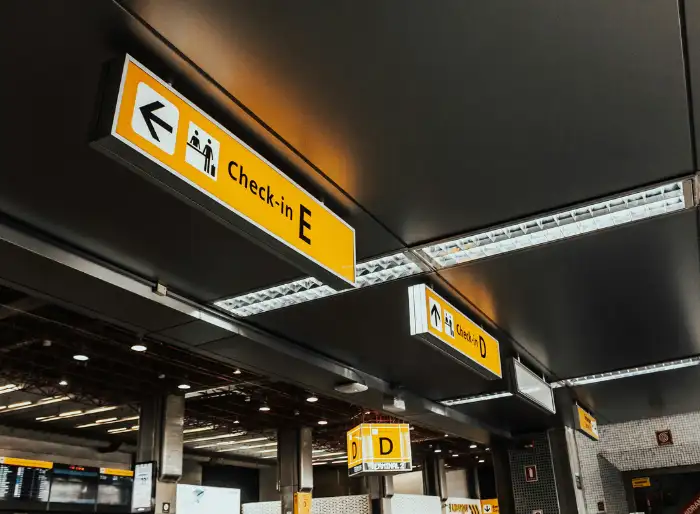
European border authorities are temporarily easing some biometric checks under the new Entry/Exit System (EES), when queues become too long.
The latest major disruption happened at the Port of Dover on May 23, 2026, when French border police paused extra EES data collection after long waits during a busy UK holiday travel period. About 8,000 cars were booked for crossings that day, making it an early stress test for the new system.
EES is the EU’s new digital border system for short-stay travelers from outside the EU. It replaces manual passport stamps with digital entry and exit records. The system also collects travel document details and biometric data, such as facial images and fingerprints. It became fully operational on April 10, 2026, after a phased launch that started in October 2025.
The system is still active
The temporary pauses do not mean Europe is cancelling EES. Travelers still have to meet normal Schengen entry rules, and border officers still carry out passport checks. The difference is that biometric steps can be reduced for a short time when congestion becomes severe.
This is why the passenger experience can vary. One traveler may complete full biometric registration, while another may pass through a faster manual process if the border point is crowded. For airlines, ferry operators, and tour companies, that makes customer guidance harder because the process may differ by airport, port, country, and time of day.
Country messages remain confusing
Some confusion has come from reports that certain countries were suspending biometric checks or exempting British travelers. The European Commission has pushed back against the idea of a broad new pause, saying there has been no fresh authorization for countries to stop collecting EES biometric data beyond the existing rules.
Countries can use flexibility to manage queues at specific border points, but that is not the same as removing travelers from the EES framework. Travelers should expect EES to apply, even if biometric collection is temporarily skipped during a peak period.
Travel companies need a clearer message
The main risk for travel companies is poor communication. Customers may read that checks were “suspended” and assume EES will not affect them. That can lead to late arrivals, tight connections, missed transfers, and frustration at passport control.
Some airports are already trying to reduce EES-related delays before the summer peak. Lisbon Airport has started testing the EU’s Travel to Europe app, which lets eligible non-EU travelers submit some travel information before arrival. The app does not replace passport control, but it shows where Europe’s border strategy is heading: more pre-registration, more digital processing, and fewer last-minute bottlenecks at busy airports.
Photo by janilson furtado on Unsplash
Hot News
Delta Buys Spirit Gates as Atlanta Rivals Run Out of Room

Bolt Targets Messy Ride Expenses With New Employee-Pay Mode

FAA Eyes AI for Air Traffic Safety as Runway Risks Keep Rising

TPConnects Launches Iris Express API to Cut NDC Complexity
