US Travel Industry Warns Over DHS Plan to Cut Airport Staffing
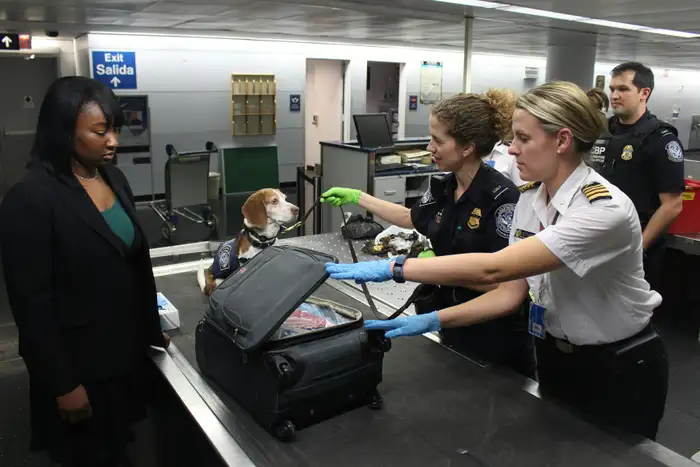
Air travel in the United States could face disruption after the Department of Homeland Security reportedly considered reducing airport staffing and customs operations in so-called sanctuary cities airports, including major international hubs.
The proposal comes at a sensitive moment ahead of the summer travel season, when US airports are already preparing for peak passenger volumes and heavy international traffic.
The biggest concern is border processing capacity. International arrivals at major airports, such as New York JFK, Los Angeles, and Chicago O’Hare, depend on Customs and Border Protection (CBP) staffing to process passengers efficiently. Any reduction in staffing could lead to longer immigration queues, delayed arrivals, and potential schedule disruptions for international flights.
Proposal tied to political conflict over sanctuary cities
The idea is linked to an ongoing dispute between the federal government and sanctuary jurisdictions that limit cooperation with federal immigration enforcement. DHS officials have suggested that federal resources, including airport staffing, could be reassessed in cities that do not fully cooperate with immigration authorities.
The issue escalated after earlier reports that sanctuary cities were being reviewed for federal enforcement coordination, raising concerns that aviation infrastructure could become part of the political pressure strategy.
Travel industry warns of operational risks
Airlines and tourism groups have reacted strongly, warning that reducing CBP staffing at major international airports could have immediate and wide-reaching consequences.
Industry groups say the move could disrupt international arrivals, slow down processing times, and create bottlenecks across the aviation network. Airlines for America warned that such measures could negatively affect passengers, cargo operations, and airline schedules.
The US Travel Association also raised concerns about potential damage to inbound tourism, especially at a time when international travel demand is recovering, and major global events are approaching.
Airports could face ripple effects across the travel system
Even partial reductions in staffing could create knock-on effects beyond immigration lines. Delays in passenger processing can impact aircraft turnaround times, connecting flights, hotel arrivals, and ground transportation schedules.
Tourism-heavy cities such as New York, Los Angeles, Miami, and San Francisco would likely be among the most exposed, given their dependence on international visitors.
While no final decision has been announced, the discussion itself has raised alarm in the travel sector, which depends on stable federal staffing to keep international air traffic flowing smoothly.
Earlier this year, the largest US hospitality workers union, UNITE HERE, argued that immigration enforcement measures introduced by the Trump administration are negatively affecting tourism demand.