United Says Iran Conflict May Hit Profits Even With Strong Demand
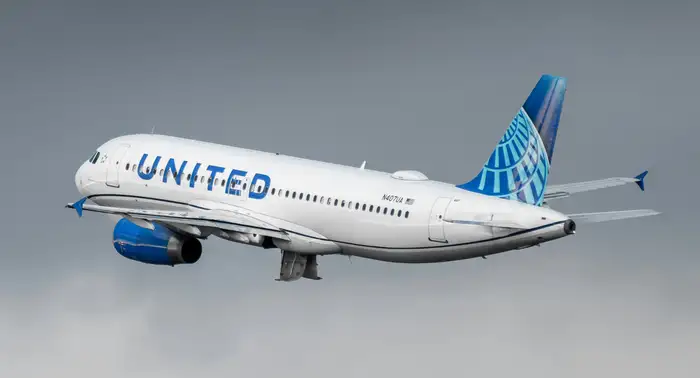
United Airlines says the war involving Iran is likely to hurt its first-quarter results because fuel has become much more expensive.
CEO Scott Kirby said the issue is not weak travel demand. Instead, the airline is facing higher costs as oil and jet-fuel prices rise during the conflict. Oil climbed sharply as the situation worsened, putting new pressure on airline profits.
The main risk is higher costs, not weaker demand
Airlines can still fill planes and carry strong passenger volumes while earning less money. Fuel is one of the industry’s biggest expenses, and most large US airlines no longer hedge fuel heavily. Airlines are still selling seats, but the cost of operating flights is rising fast.
More than 37,000 flights to and from the Middle East were canceled between February 28 and March 8. Airlines have also had to reroute flights and avoid parts of the region’s airspace, which can increase fuel burn and create more operational uncertainty.
The warning comes during a strong spring travel season
Travel demand is still holding up well. Airlines for America said US airlines expect 171 million passengers to travel between March 1 and April 30, up four percent from the same period last year.
United has also said it expects a busy spring break period, with more than 27 million passengers and about 4,900 flights per day. Popular destinations include Orlando, Las Vegas, Honolulu, Phoenix, and Fort Lauderdale.
What happens next depends on fuel and the conflict
The pressure may continue. Oil reached its highest level since 2022 as the conflict intensified. That means United’s warning could be an early sign of a broader airline earnings problem if fuel stays high into the second quarter.
For now, demand remains solid. The bigger question is whether the fuel shock fades quickly or lasts long enough to force airlines to absorb weaker margins, raise fares, or cut financial expectations.
Middle East airspace closures trigger 3,400+ flight cancellations. This wider disruption shows how a regional conflict can quickly grow from an airspace problem into a broader airline operations and cost challenge.
Photo by Daniel Shapiro on Unsplash
Hot News
EU Rental Nights Hit 951M, Platforms Grow Faster than Hotels

Channel Islands Join UK ETA Rollout as Pre-Trip Checks Expand

IHG, Marriott, Hyatt Bet on Conversions as Midscale Gets Pricier

United Joins JetBlue on Higher Bag Fees as Fuel Shock Hits Harder
