United Joins JetBlue on Higher Bag Fees as Fuel Shock Hits Harder
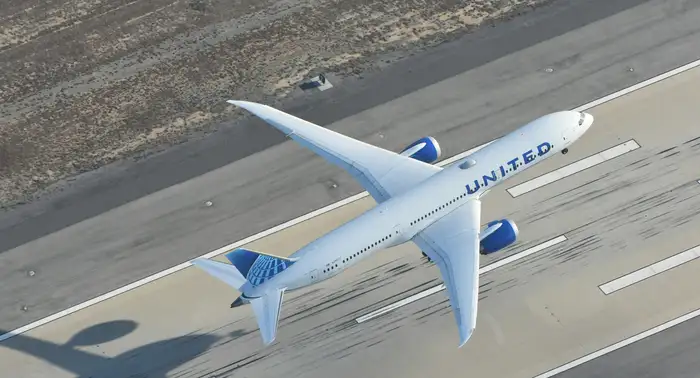
United Airlines has raised checked-bag fees, becoming the latest US carrier to pass higher fuel costs on to travelers.
The new prices apply to tickets bought from April 3, 2026 for many routes in the US, Canada, Mexico, and Latin America. The move came just days after JetBlue increased its own baggage fees, showing that airlines are starting to respond more directly to the recent fuel-price surge.
United said a first checked bag now costs $45 if prepaid and $50 if added later. A second bag costs $55 prepaid or $60 later, while a third bag now costs $200 in many cases.
Some travelers will still get free checked bags, including certain MileagePlus elite members, United credit card holders, active military travelers, and passengers in premium cabins.
JetBlue moved first as airlines looked for a fast pricing response
JetBlue raised its baggage fees on March 30. For many domestic economy travelers, the first checked bag now costs $39 on standard dates and $49 during peak periods, while the second bag now costs $59 off-peak and $69 during peak periods. The airline said the increase reflects higher operating costs.
Fuel prices are rising sharply because of the Middle East crisis
The pressure comes from jet fuel. Airlines for America’s Argus index showed the average US jet-fuel spot price at $4.88 per gallon on April 2, 2026. The average had been about $2.50 per gallon before the war in the Middle East, and had climbed to around $4.64 earlier this week.
The main concern is disruption to oil flows through the Strait of Hormuz, one of the world’s most important energy shipping routes. When that route is at risk, oil and jet-fuel prices rise globally.
United warns this may not stop with baggage fees
United has already signaled that higher bag fees may be only the first step. CEO Scott Kirby described a scenario in which oil could reach $175 a barrel and remain above $100 through 2027.
Still, larger network carriers, such as United and Delta, may be in a stronger position than lower-cost rivals because they generate more premium revenue and have greater flexibility to manage weaker routes.
Fuel pressure is changing both airline pricing and capacity plans
Airline groups are not only raising fees but also adjusting capacity as fuel pressure spreads across the market. That wider pattern is already visible in United’s earlier response to the same shock, when the airline said it would cut weaker flights while keeping its long-term fleet plan in place.
Photo by David Syphers on Unsplash
Hot News
Channel Islands Join UK ETA Rollout as Pre-Trip Checks Expand

IHG, Marriott, Hyatt Bet on Conversions as Midscale Gets Pricier

United Joins JetBlue on Higher Bag Fees as Fuel Shock Hits Harder

Navan Grows 35% as Integrated Travel Tools Win Bigger Clients
