United Flight Attendants Reject Pay Deal Again As Ground Pay Fight Drags On
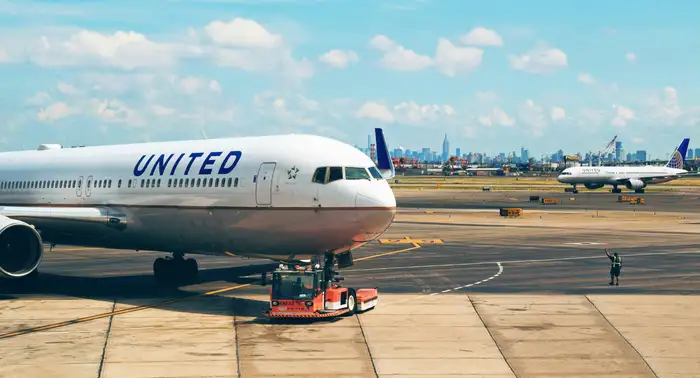
United Airlines is still trying to finalize a new labor contract with the Association of Flight Attendants–CWA (AFA-CWA), which represents about 28,000 United flight attendants.
The latest mediation session was scheduled for February 10–12, renewing talks after last year’s failed ratification vote: on July 29, 2025, flight attendants rejected a tentative agreement. AFA-CWA said 71 percent voted “no,” with 92 percent of eligible members participating.
That vote matters because it blocked raises and rule changes from taking effect and pushed the talks back onto the federal mediation track rather than moving toward implementation.
Why “industry-leading pay” isn’t closing the gap
The fight is not only about the hourly rate. It’s also about what counts as paid time. Flight attendants argue they should be paid for more of the time they are required to be on duty—such as check-in, briefings, boarding, and long ground delays—rather than mainly being paid based on flight time.
The rejected proposal did not meet key demands, such as pay for all hours worked and retroactive pay, after flight attendants had not had a raise since 2020.
This is why the union can reject a deal that looks strong on paper: members may feel the pay system still leaves too much uncompensated work time.
“Sit rig” pay, scheduling changes, and trade-offs
In a recent update about renewed negotiations, the union listed priorities including “sit rig” (pay protection for time on duty beyond just flight time), scheduling improvements, stronger contract enforcement, and better layover-hotel standards.
The hard part is that extra pay categories can come with offsets. Some proposals discussed publicly involve changes to guarantees or scheduling systems, such as the Preferential Bidding System (PBS), which airlines often like for efficiency, but many union members view cautiously because it can change how schedules are awarded.
What it means for travelers and what to expect next
For passengers, this is mainly about long-term staffing stability and operational resilience, not an automatic disruption tomorrow. The airline labor process is governed by the Railway Labor Act, which makes strikes difficult and typically requires mediation before any strike.
The National Mediation Board (NMB) explains that if mediation fails and arbitration is rejected, the NMB can release the parties into a 30-day cooling-off period—and only after that can “self-help” actions like a strike become legally possible (unless other steps intervene).
Hot News
H World Ends 2025 Strong as Asset-Light Growth Lifts Profit

US Airlines Beat the Fuel Shock as Fares and Demand Do the Work

Southern Europe Leads Hotel Deals as Investors Bet on Travel Staying Strong

Cuba’s Power Crisis Forces Intrepid to Pull Tours Until April 30
