United Ends Crew Pay Fight as 31% Raise Adds Cost Pressure
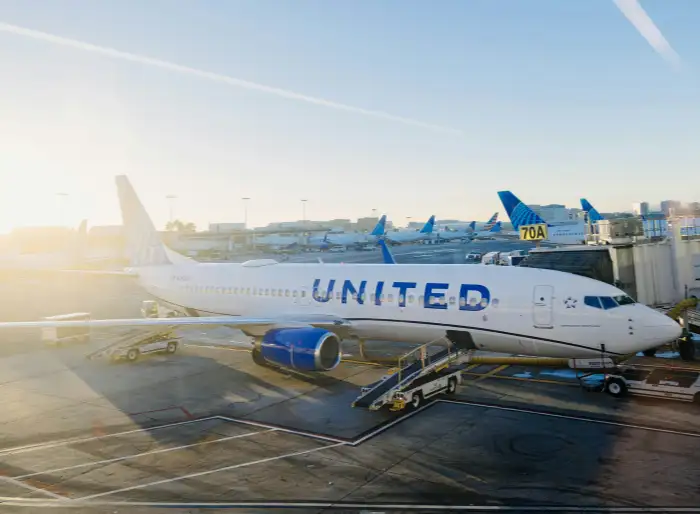
United Airlines flight attendants approved a new five-year labor contract, ending years of difficult negotiations.
The deal covers nearly 30,000 flight attendants represented by the Association of Flight Attendants-CWA. It was approved by 82 percent of voting members.
The agreement gives flight attendants an average 31 percent base pay increase. It also includes $741 million in retroactive pay, boarding pay, and extra pay for long gaps between flights. For many crew members, this is the first major contractual raise since 2020.
Boarding pay becomes the big change
The most important change is boarding pay. Flight attendants do a lot of work before takeoff. They help passengers board, prepare the cabin, check safety items, and handle problems at the gate. But for years, much of this time was not paid the same way as flying time.
That issue became a major demand in airline labor talks after the pandemic. Flight attendants argued that pay should reflect the full workday, not only the time when the aircraft is in the air. United’s new contract adds boarding pay, following a wider shift across the industry. The union said boarding pay will add another 7 to 8 percent in average compensation.
United catches up with other major US airlines
United was one of the last large US carriers to settle with its flight attendants. Southwest flight attendants approved a new contract in 2024 with an immediate raise of more than 22 percent and pay growth over four years. American and Alaska also reached new flight attendant agreements after the pandemic.
Higher costs are forcing airlines to tighten control
Higher labor costs are becoming another long-term pressure point for airlines already dealing with expensive fuel, delayed aircraft deliveries, and tighter cost control. Korean Air, for example, moved into emergency management mode in April after jet fuel prices more than doubled against its original plan. The airline said it would respond with phased measures and stronger company-wide cost control if high fuel prices continued.
Photo by Will Goodman on Unsplash
Hot News
Delta Buys Spirit Gates as Atlanta Rivals Run Out of Room

Bolt Targets Messy Ride Expenses With New Employee-Pay Mode

FAA Eyes AI for Air Traffic Safety as Runway Risks Keep Rising

TPConnects Launches Iris Express API to Cut NDC Complexity
