United Cuts Flights 5% as Fuel Spikes but Fleet Plans Stay Firm
United Airlines said it will not respond to the recent fuel price surge by furloughing employees or delaying aircraft orders.
Chief Executive Scott Kirby said the airline is preparing for a severe rise in fuel costs linked to the latest disruption in the Middle East, but it still plans to keep investing in its future.
Kirby said United is planning for a scenario in which oil could rise to $175 a barrel and stay above $100 until the end of 2027. At that level, the airline’s annual fuel bill would increase by about $11 billion. He said that would be more than double the profit United made in its best year, which shows how serious the cost pressure could become.
The airline is cutting weaker flights for now
Instead of making broad long-term cuts, United is removing flights that are less profitable when fuel is expensive. The airline said it will cut about three percentage points of off-peak flying in the second and third quarters, including some redeyes and some Tuesday, Wednesday, and Saturday service, when demand is usually softer.
United will also reduce some capacity at Chicago O’Hare and keep Tel Aviv and Dubai suspended for now. Altogether, these moves equal about five percentage points of United’s planned capacity for the year.
The airline said it currently expects to restore the full schedule in the fall, showing that this is meant to be a temporary adjustment rather than a change in strategy.
Strong demand is helping airlines handle part of the pressure
One reason United can take this approach is that travel demand has remained strong. Major US airlines have been able to raise fares as bookings stay healthy and capacity remains relatively tight.
United said the first 10 weeks of the year were the strongest booking weeks in its history, and Kirby said fares booked over the previous week had risen by 15 percent to 20 percent.
The wider industry remains exposed to fuel shocks
Many US airlines do not hedge fuel in the way some European and Asian carriers still do. This leaves them more exposed when oil and jet fuel prices rise suddenly. Since fuel is one of the industry’s biggest costs, a sharp increase can quickly change which routes are worth flying.
That is why capacity discipline has become such an important tool. Airlines can cut weaker routes, limit losses, and support fares by keeping seat supply tighter. Delta has also said it has flexibility to reduce capacity if fuel stays high, showing that United is part of a wider industry response rather than acting alone.
United says short-term cuts will not change its long-term plan
Kirby used the memo to stress that United does not want to repeat the crisis playbook it used in earlier downturns. He said the airline will not return to furloughs, deferred aircraft, or delayed investment. United still expects to take around 120 aircraft this year, including 20 Boeing 787s, with another 130 due by April 2028.
Higher oil prices push airlines to trim weaker flying, protect margins, and rely more on fare strength than on aggressive expansion. That broader pressure is already becoming visible across the market, with other carriers also adjusting schedules as fuel costs rise and volatility remains high, adding to the sense that this is no longer a short-term pricing issue but a wider operational challenge for airlines.
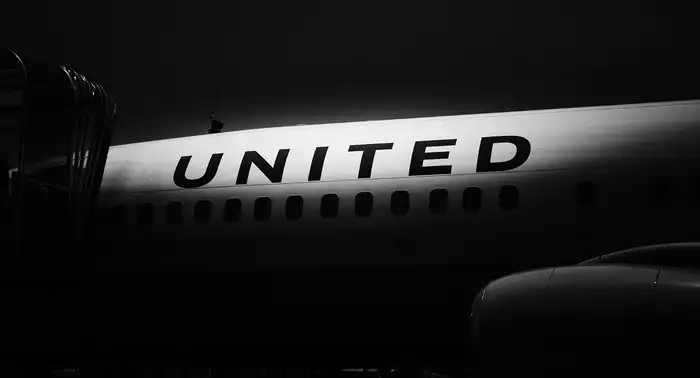
Photo by Christian Lambert on Unsplash
Hot News
IHG Grows in Europe as Hotel Demand and Investment Support Expansion

Southeast Asia Travel Sees More Cancellations as Gulf Routes Struggle

New York City Had More Tourists in 2025, but International Travel Still Fell

MakeMyTrip and Mastercard Bet on AI to Shape Travel Decisions
