Trump Wants to Decertify Canada Jets, Threatens 50% Tariffs
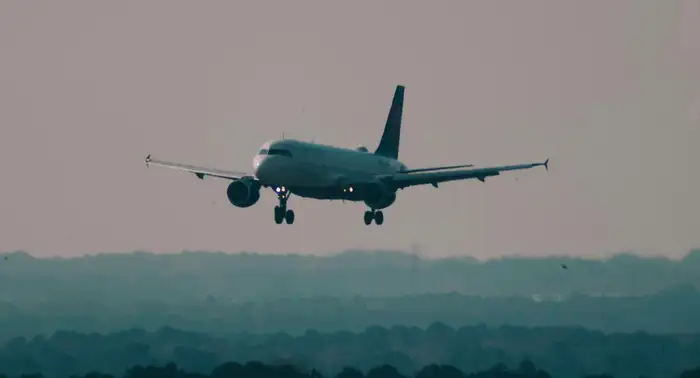
President Donald Trump has announced plans to revoke certification for aircraft manufactured in Canada, a step that would prevent those planes from being approved for operation in the US market.
Alongside this, he warned of a potential 50 percent tariff on Canadian-built aircraft.
Focus on Bombardier highlights business jet market
The president’s remarks targeted Bombardier, an aerospace company headquartered in Montreal that is best known today for its portfolio of long-range business jets.
Trump specifically mentioned the Global Express family of aircraft, a line frequently used by corporations and high-net-worth individuals for intercontinental travel. Although Bombardier no longer manufactures regional airliners, its aircraft still play an important role in the global business aviation sector, making the threat relevant beyond commercial airline fleets.
Allegations of unequal certification treatment
Trump claimed that Canada’s own certification processes restrict the sale of Gulfstream aircraft in the Canadian market, suggesting that US manufacturers face barriers that Canadian firms do not.
He framed the possible US response as reciprocal, stating that failure to resolve the issue promptly would result in a 50 percent tariff on Canadian aircraft sold into the US. Such a tariff would increase acquisition costs dramatically, potentially influencing leasing markets, resale values, and airline procurement strategies.
Questions over legal authority
Despite the announcement, there has been no formal policy document issued to enact either decertification or tariffs.
The authority to certify aircraft lies with the FAA, whose mandate is centered on aviation safety rather than trade policy. Current regulations do not clearly provide for revoking aircraft certifications based on economic disputes.
Without FAA action, the president’s proposal faces significant legal and procedural obstacles. The agency has not yet commented publicly, adding to the uncertainty facing manufacturers and operators.
Broader economic tensions spill into travel flows
This episode is part of a wider pattern of strained relations between the US and Canada that has been building since the beginning of 2025 and has been influencing travel behavior.
Data from September 2025 showed that the number of Canadian residents driving back from the US fell by almost 35 percent compared to the same month a year earlier, marking nine straight months of decline. Air travel mirrored this slowdown, with flights from Canada to the US decreasing 27 percent year-over-year.
These trends show that political and trade disputes can easily ripple into tourism, aviation demand, and the overall travel economy.
Photo by Drew Easley on Unsplash
Hot News
Canadian Trips to the US Kept Falling in February as Demand Stayed Weak

Ryman Pushes Debt to 2034 as Strong Hotel Demand Buys It Time

Hilton CEO Says Middle East Conflict Hit Hotels While the US Risks Losing More Global Visitors

Amex GBT Delivers Solid 2025 Growth but Integration Pressure Is Just Starting
