Spirit Plans to Exit Bankruptcy by Early Summer 2026
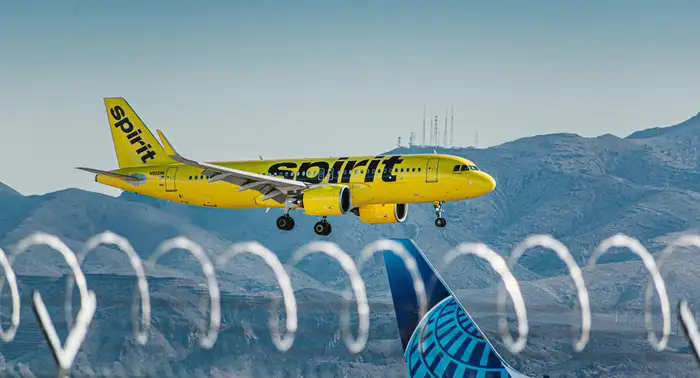
Spirit Airlines says it has reached an agreement in principle with key creditors and expects to exit Chapter 11 bankruptcy in late spring or early summer 2026. This is the main update because it gives Spirit a clearer path to keep operating after months of financial stress and court-supervised restructuring.
Spirit is not presenting this as “back to normal.” The airline says it will emerge smaller and more focused, with fewer flights and a bigger push to sell higher-priced seats and add-ons. For travelers, that likely means fewer schedule options on some routes and higher average prices for the seats with more comfort.
Why Spirit is cutting flights and narrowing its route map
Spirit’s plan is to concentrate flying around the routes and travel periods with the strongest demand. In simple terms, it wants to fly more efficiently on busy days and cut flying on slower days that often lose money. The airline also plans to focus on key cities and reduce its presence in markets that do not perform well.
This approach can improve results quickly because aircraft, crews, and airports cost money even when planes are not full. But the tradeoff is real: fewer flights can make Spirit less convenient, and disruptions can be harder to manage when there are fewer backup options for rebooking.
Spirit’s problem is not that it lacks ancillary revenue tactics — it is that ancillaries alone no longer guarantee stability in today’s market. Ultra-low-cost carriers (including Spirit) generate a very high share of revenue from extras, but even strong ancillary performance may not offset broader financial and competitive pressure.
The financial reset is big, but revenue still needs to improve
Spirit says bankruptcy will reduce its debt and lease obligations by more than $5 billion. It also says it has reached agreements that lower costs, including fleet changes such as returning or selling aircraft. That kind of reset can relieve pressure and lower the risk of running out of cash.
However, lower costs do not automatically create a strong business. Spirit still needs to earn enough money per flight. A smaller airline also has fewer seats to spread fixed costs across, which is why the company’s revenue plan matters just as much as the cost plan.
Upselling more seats makes sense, but Spirit must overcome its image
Spirit plans to expand premium seating options, including Spirit First and Premium Economy, and improve its co-brand credit card business. The goal is to make more money per passenger instead of relying mainly on ultra-low fares.
The challenge is brand perception. Many travelers see Spirit as a “cheap if necessary” option because of past complaints about fees, service problems, and comfort. That makes it harder to sell upgrades unless the value is very clear and the experience improves enough to rebuild trust.
Spirit’s recent restructuring moves show a split strategy: it is shrinking for survival while trying to avoid operational breakdowns during busy travel periods. Spirit said it would recall 500 furloughed flight attendants ahead of spring demand and continue plans to sell 20 Airbus jets, framing the combination as a way to improve reliability while right-sizing capacity. A week later, Spirit asked a bankruptcy judge to approve a court-supervised auction of those 20 Airbus aircraft (13 A320s and seven A321s), with a stalking-horse bid of about $533.5 million and an expected April 2026 auction timeline. Together, the updates make Spirit’s approach clearer: add enough crew to run a steadier schedule in peak weeks, but shrink the fleet and network to lower debt-related and operating costs as it restructures under Chapter 11.
What Changed in the US Airline Market and What Happens Next
Spirit’s low-fare model worked best when it could clearly undercut competitors. But major US airlines learned how to match low prices using basic economy fares, while still earning strong revenue from travelers paying for regular economy, premium seats, and loyalty benefits.
At the same time, many passengers have become more willing to pay for reliability and comfort. That shift puts extra pressure on ultra-low-cost carriers. The next thing to watch is whether Spirit exits bankruptcy on schedule and whether the smaller network and premium upsell strategy can produce steady profits—not just smaller losses.
Photo by Lukas Souza on Unsplash
Hot News
Flight Centre Grows Profit as Corporate Travel Keeps Delivering

Spirit Nears Bankruptcy Exit, Debt Cut, and Smaller Fleet

Uber Elite Pushes Uber Deeper Into Premium Travel and Airport Runs

Agoda Gives Artotel a Branded Boost as OTAs Rethink Hotel Discovery
