Southwest Says Fare Hikes Still Sell as Fuel Pain Tests Flyers
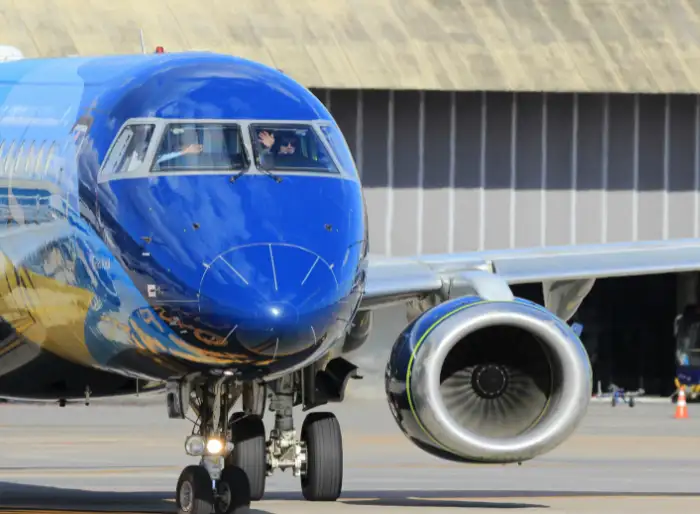
Southwest Airlines says customers are still booking flights even after several fare increases.
CEO Bob Jordan said US airlines have raised fares seven times since February 1 because jet fuel has become much more expensive, and Southwest joined each increase. So far, he said the airline has not seen demand fall.
That is a positive signal for US airlines. Fuel is one of their biggest costs, and carriers cannot always pass those costs to passengers. If travelers keep buying tickets at higher prices, airlines have more room to protect revenue and avoid deeper cuts to capacity.
Business travel is giving Southwest a stronger boost
Southwest’s corporate travel business is also improving. The airline said managed business revenue rose 25 percent year over year in March and 16 percent in the first quarter. It described both results as record performances for the company.
Managed business travel includes revenue from corporate accounts, travel management companies, and company travel programs.
Assigned seats are helping Southwest chase corporate demand
Southwest’s product changes are part of the story. The airline launched assigned seating and extra-legroom seats on January 27, 2026, ending one of its most recognizable traditions: open seating.
The change makes Southwest easier to sell to corporate travelers. Business customers usually want seat choice, more comfort, loyalty benefits, and smoother booking through company travel systems. These features help Southwest compete for higher-value passengers without fully copying Delta, United, or American.
Southwest may add more premium features
Southwest is also considering a broader premium push. Jordan has discussed possible airport lounges, more premium products, and a limited number of long-haul destinations. He said the airline does not need to become a large global network carrier, but it could add selected routes that match where its customers already want to travel.
That would be a meaningful shift for Southwest. The airline has long focused mainly on domestic and shorter international routes. Lounges or longer flights would bring it closer to the corporate travel model used by larger US carriers.
JetBlue’s latest update shows the same trend
JetBlue gave the latest industry update on June 1. The airline raised its second-quarter fuel cost forecast to $4.26 to $4.36 per gallon, up from its earlier range of $4.13 to $4.28. At the same time, it lifted its revenue per available seat mile outlook to 9 percent to 12 percent growth.
The update shows the same pattern across US aviation. US airfares rose 20.7 percent year over year in April as airlines passed higher fuel costs to passengers. That makes Southwest’s comments more important: fares are rising, but demand has not weakened enough yet to stop carriers from protecting revenue through higher prices and more premium products.
Photo by Everson Vansoski on Unsplash
Hot News
Record May Heat Pushes Europe’s Event Planners Into Climate Mode

UK Hotels Earn More in Q1 but Rising Costs Steal the Upside

Higher Room Rates Drive US Hotel Growth

IHG Joins ChatGPT as Hotel Search Moves Closer to Booking
